Undenatured whey protein is a term appearing more often, especially among people interested in fitness, health, and nutrition. There’s understandable confusion about what “undenatured” means and whether it really matters for your diet. I want to break it down in a way that doesn’t assume you’re a supplement pro. By the end, you’ll have a clear picture of how undenatured whey protein fits into a healthy plan, and whether it makes sense for you to try it.
What Is Undenatured Whey Protein?
Whey is one of the main proteins found in milk, along with casein. It’s a popular supplement because it’s a complete protein, which means it gives your body all nine essential amino acids in good amounts. “Undenatured” refers to protein that hasn’t been exposed to high heat, strong chemicals, or aggressive processing. When you see “undenatured,” it means the protein’s natural structure is mostly unchanged from how it’s found in milk.
Most whey protein supplements use a process involving pasteurisation and filtration. If too much heat or strong chemicals are used during production, the proteins can “denature.” This means their original shape unravels. When a protein is denatured, it still offers amino acids, but some of the biological activity tied to its natural state may be lost. With undenatured whey, the goal is to keep those proteins as close to their original, intact state as possible.
The two main types are whey protein concentrate and whey protein isolate. Both can be undenatured, depending on how they’re made. High-quality undenatured whey is usually created through methods like cold processing or crossflow microfiltration, aiming to keep the bioactive parts intact.
Undenatured Whey Protein vs. Regular Whey: What’s the Difference?
It’s easy to get confused because standard whey protein and undenatured whey protein can look the same in powder form. The main difference is in the processing. Regular whey proteins might go through more heat or harsher treatments, changing the shape of the protein molecules. While this kind of denatured protein still packs a punch when it comes to basic amino acids for muscle building, some people feel that undenatured whey offers added benefits.
With undenatured whey, certain delicate compounds are preserved, like immunoglobulins, lactoferrin, alphalactalbumin, and some growth factors. These parts are sometimes broken down or destroyed in regular processing. Many people use undenatured whey for what they believe are bonus immune and health properties, not just for building muscle after a workout.
Benefits of Undenatured Whey Protein
Undenatured whey protein is popular among those seeking a more natural supplement. Some of the possible advantages include:
- Protein Quality: You get all essential amino acids in a form that is easy for your body to digest and use. This is important after workouts or if you’re struggling to meet daily protein needs through regular food.
- Preserved Immune Support: Whey naturally has proteins, such as immunoglobulins and lactoferrin, that support the body’s immune function. These are more likely to remain in their active form if the protein is undenatured.
- Glutathione Production: One great science-backed feature is that undenatured whey is richer in special substances called cysteinerich protein fractions. These help the body produce glutathione, an antioxidant that plays an important role in defending your body against oxidative stress and supporting recovery. Denatured whey has less of this effect because the relevant protein structures are partially destroyed during heat treatment.
- Easy on Digestion: Some people, myself included, notice undenatured whey is gentler on the stomach compared to heavily processed whey protein powders. This can be helpful if you’re sensitive or find some protein shakes cause digestive discomfort.
At this point I would like to point out that I am an independent Isagenix Associate and you can find an excellent source undenatured whey protein on my Isagenix Official Associate Site and there are also plant based proteins if that is your preference.
How Is Undenatured Whey Protein Made?
The main difference in making undenatured whey is how the milk serum (the liquid left after making cheese) is filtered and dried. In my research and experience, quality-focused brands use lower temperatures, membrane filtration, and careful drying that helps keep protein structures in their natural state.
This cold processing aims to keep as much of the original immunoglobulins, alphalactalbumin, and other bioactive molecules as possible. You might find terms like “coldfiltered,” “crossflow microfiltered,” or “coldprocessed” on undenatured whey product labels. If you’re looking for these products, checking for third-party testing and reading brand information helps you figure out if the claims about being undenatured are well supported.
Additionally, caring brands often source milk from grass fed cows and use minimal artificial ingredients to keep the protein clean. That attention to detail can make undenatured whey more appealing if you’re seeking products close to their natural origin.
When Does Undenatured Whey Make Sense?
For most people, hitting daily protein goals is more important than getting stuck on the fine details of protein structure. However, undenatured whey could appeal to you if you’re aiming for more than just muscle recovery. If you want to boost your immune system or antioxidant defences, undenatured whey might be worth trying. It’s also a good pick if you prefer supplements as close to nature as possible, especially if your diet is already pretty clean or minimally processed.
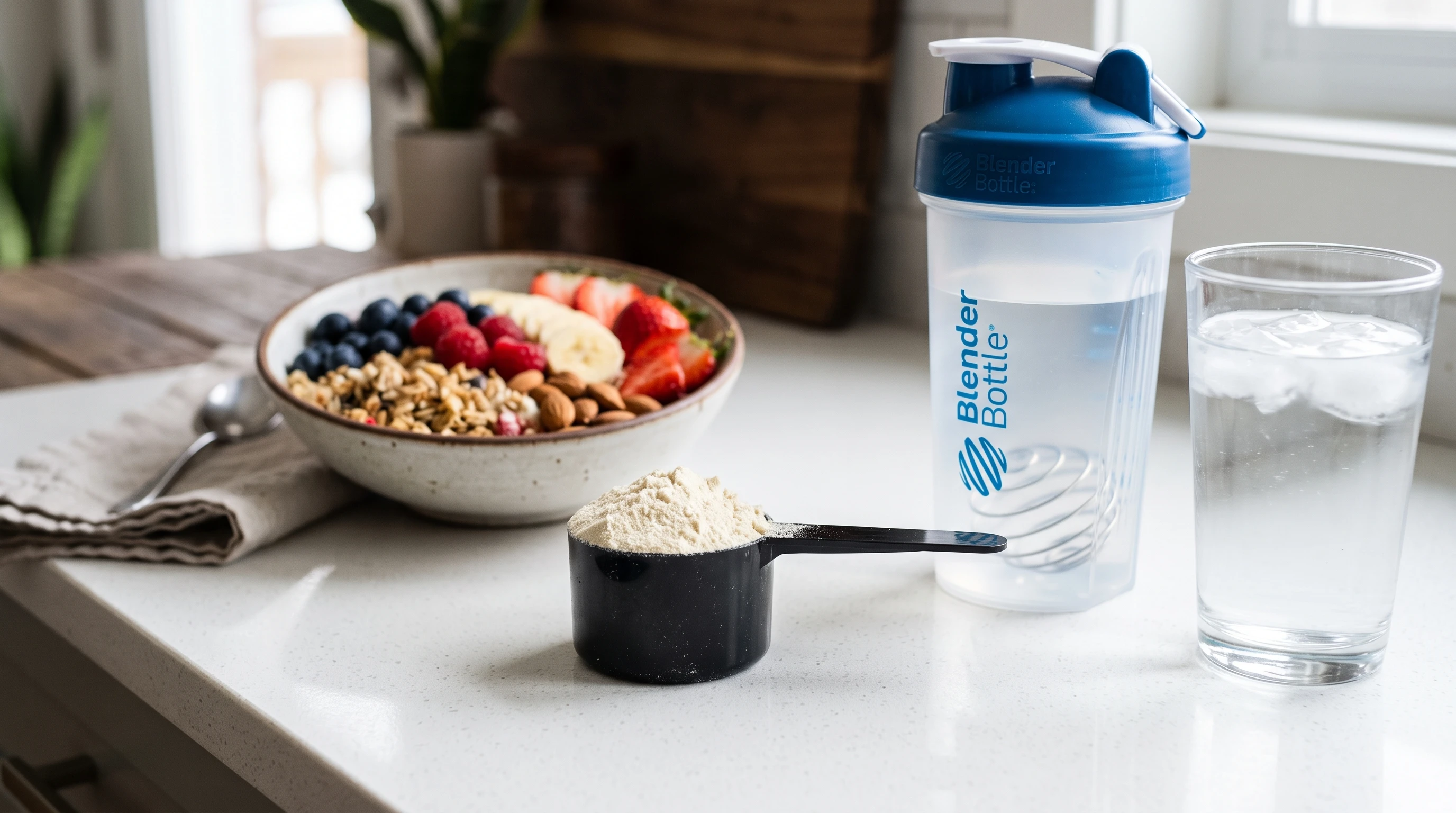
I like to use undenatured whey after intense workouts, early in the morning, or as a quick snack if I’m travelling. It mixes well in water or milk, and the creamy taste is enjoyable, with a mild, milky flavour that isn’t overpoweringly sweet.
Adding Undenatured Whey Protein to a Balanced Diet
Remember, protein supplements of any type—including undenatured whey—are just one piece of the nutrition puzzle. No protein powder will make up for missing out on important nutrients from vegetables, fruit, healthy fats, and whole grains. To see real results, it makes sense to fit undenatured whey into a plan that covers your energy, vitamins, minerals, and hydration needs.
For example, I often blend undenatured whey protein with a banana, nut butter, spinach, and oats for a quick meal. This ensures I’m not just getting a protein boost, but also fibre, carbs, and micronutrients. Using protein shakes as a replacement for multiple meals can easily leave gaps in your nutrition, which may hurt your long-term health and fitness.
How to Choose a Good Undenatured Whey Protein
- Look for Cold or Gentle Processing: The label should mention “coldprocessed,” “microfiltered,” or similar language.
- Check for Additives: Simpler ingredient lists usually mean fewer additives and sweeteners. I aim for a product with minimal added sugar and no artificial colouring.
- Research Sourcing: Some quality brands use grass fed cow’s milk, which could mean cleaner protein and fewer contaminants, plus possibly higher levels of healthy fats.
- Certification and Testing: I always feel better when a supplement is tested by third parties for purity and quality. It’s a simple way to put your mind at ease about what you’re consuming.
A reminder that you can get high quality undenatured whey protein as well as plant proteins on my Official Associate Site
Common Questions About Undenatured Whey Protein
Question: Can undenatured whey protein help build muscle better than regular whey?
Answer: Both forms offer all the amino acids your body needs to build muscle. Undenatured whey offers extra immune and antioxidant benefits, but for muscle building, regular and undenatured whey work about the same.
Question: How do I know if my whey protein is undenatured?
Answer: Check the manufacturing methods on the label or the company’s website. Terms like “coldprocessed,” “coldfiltered,” or “undenatured” suggest minimal heat treatment.
Question: Is undenatured whey better for people with milk allergies?
Answer: Undenatured whey still comes from milk and contains dairy proteins, so it isn’t suitable for those with an actual milk allergy. If you’re just mildly sensitive, you might find it easier to digest, but it’s best to check with a healthcare provider.
Question: Does undenatured whey protein taste different?
Answer: I find undenatured whey protein to have a clean, mild taste. Some people notice a subtle difference compared to regular whey isolate or concentrate, but it’s not intense or unpleasant.
Smart Ways to Use Undenatured Whey Protein
- Add a scoop to smoothies with leafy greens and fruit for a quick meal.
- Stir it into oatmeal or yogurt for extra protein without changing the taste much.
- Mix with water or milk after exercise for a fast, convenient recovery snack.
There’s a lot of hype about undenatured whey protein, but I focus on the basics: getting enough protein, keeping my diet balanced, and making sure my supplements aren’t filled with stuff I don’t need. If you want to support immune health and easy digestion while hitting your daily protein targets, undenatured whey can be a smart tool in your plan. I always keep in mind that nothing works well in isolation, so I use it alongside a full, nutritious diet for the best results.
As the health and wellness world continues to grow, more people are seeking ways to get the most from their supplements without sacrificing a natural approach. If you value quality sourcing, minimal processing, and keeping natural proteins intact, then undenatured whey might be exactly what you’re looking for. Just remember, it fits best as part of an all in one plan—so eat well, stay active, and let whey protein support your goals rather than try to do all the work alone!