Collagen supplements have become really popular with anyone hoping to support their skin, hair, joints, or general health. Two main types you’ll see most often are marine collagen and bovine collagen. I get a lot of questions about which type is “better” and whether one has special benefits over the other. I’m sharing what I’ve learned, what researchers say, and some easy ways to figure out which might suit your needs and routine.
Understanding Collagen and Why People Supplement
Collagen is the most common protein in my body, making up a huge part of my skin, bones, tendons, and cartilage. As I’ve gotten older, I know firsthand that my body makes less collagen each year. This drop-off shows up first as wrinkles or joint aches, and plenty of people start to think about collagen supplements to help slow things down.
Taking extra collagen can be useful for a few reasons. Supplements, especially ones that have been hydrolysed (broken down into smaller pieces), are absorbed more easily than eating a steak or chewing on cartilage. When I include collagen in my diet, I’m supporting the building blocks that my body needs for skin elasticity, wound healing, reducing joint discomfort, and possibly improving gut lining health. Studies, such as those reviewed in the journal Nutrients, point out that collagen can help with skin hydration, joint pain, and even nail strength (source).
What’s the Real Difference: Marine vs. Bovine Collagen?
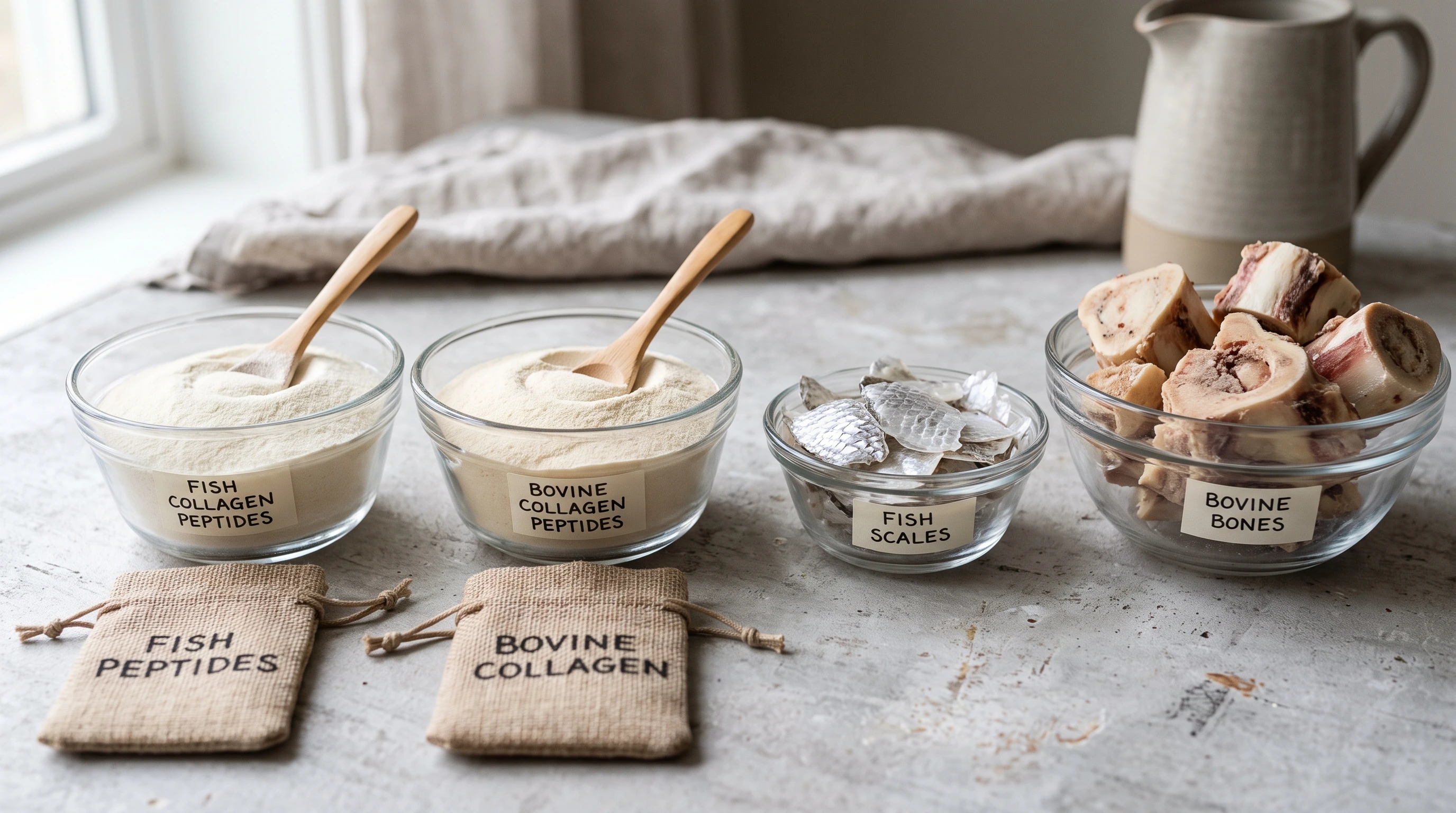
Marine collagen comes from fish skin and scales, while bovine collagen is made from the hides and bones of cows. Both are considered high quality but they’re not quite the same. Here’s how to sort out their major differences:
- Source: Marine collagen uses fish, bovine comes from cattle.
- Type of Collagen: Marine collagen mainly provides type I collagen. Bovine has types I and III in good amounts. Type I is what’s mostly found in skin, hair, and bones. Type III is important for skin, muscle, and blood vessels.
- Absorption: Marine collagen’s molecules are smaller, which means they may be absorbed faster by your body.
- Allergens and Diet Preferences: Marine collagen is a favourite with people avoiding beef or following a pescatarian diet. Bovine is more common in keto and paleo circles.
- Taste and Smell: Marine collagen can sometimes have a faint “fishy” scent or aftertaste, though better brands clean it up a lot. Bovine collagen is nearly flavourless.
- Sustainability: Marine collagen can make use of fish parts that otherwise would go to waste. Some feel good about this as an environmentally friendlier choice, especially if it’s sourced responsibly. Bovine collagen comes from the beef industry, where an ethical source is really important to a lot of buyers.
Key Benefits of Marine Collagen
I reach for marine collagen when I’m thinking mostly about my skin, since type I collagen makes up most of my skin’s structure. Here’s where marine collagen stands out for many people:
- Skin Health: Studies often link marine collagen to better skin hydration, fewer wrinkles, and a smoother appearance.
- Hair and Nails: Because type I is linked to hair structure, I notice more people say their hair has more shine or less breakage after steady marine collagen use.
- Fast Absorption: Marine collagen peptides are smaller, so some research points to quicker absorption, especially for people with sensitive digestive systems.
- Pescatarian Friendly: For those who don’t eat beef, marine collagen makes including collagen supplements easy.
You might also stumble upon marine collagen in the ingredients list of beauty products, face masks, or skin serums. Many cosmetic companies turn to marine collagen for its ability to boost hydration, and it’s common to read testimonials praising the glow-up that people notice after a couple of months.
As an aside here I am an independent Isagenix Associate and you can find an excellent source of marine collagen peptides on my Isagenix Official Associate Site
Key Benefits of Bovine Collagen
Bovine collagen, made from cow hides, is the most widely used and also the most affordable. It’s got some key advantages:
- Joint Health and Recovery: Because it brings both type I and type III collagen, I find lots of people use it to support their tendons, joints, and ligaments as well as their skin. It’s often used by athletes or those with daily aches.
- Muscle Support: Type III collagen has a role in muscle tissue repair, so some people, including myself after a challenging workout, find bovine collagen useful for muscle recovery.
- Neutral Flavour and Versatility: Bovine collagen is nearly tasteless and odourless, so I can add it to smoothies, coffee, or even baking without noticing a change in flavour.
Much like marine collagen, bovine collagen can be used in many recipes, from soups and stews to homemade bars or pancakes. Its unflavoured, easy-blend nature makes it a go-to for people who wish to add protein to their meals without altering the dish. If you’re new to supplements, starting with a basic bovine collagen powder can help you ease into the experience before you mix in some variety or try flavoured blends.
Points to Think Over Before Choosing
Before you grab a tub of collagen powder, here are some things I always weigh:
- Dietary Restrictions: If you avoid beef for religious, ethical, or health reasons, marine collagen might suit you best. If you have fish allergies, stick to bovine collagen.
- Your Main Goal: For skin-boosting routines, marine collagen (type I) might have an edge. If you also want muscle, joint, or digestive support, I’d go with bovine collagen (types I & III).
- Environmental Values: If sustainability is a focus, look at how the collagen is sourced. Some brands use only wild caught fish byproducts or grass fed beef, which adds another layer of reassurance.
- Cost and Availability: Bovine collagen tends to be cheaper. If budget is important, this might help tip your decision.
- Taste Sensitivity: Pay attention to reviews, especially for marine collagen. Even so, most high quality brands remove most of the flavour through additional processing.
Common Challenges with Collagen Supplements
- Digestive Concerns: A handful of people, including myself if I take too much at once, may feel mild bloating or fullness. It often helps to mix collagen thoroughly in liquid and start with a lower dose.
- Buying the Right Quality: Not all collagen is the same. I look for products that are third party tested and clearly labelled as hydrolysed (so my body can absorb them fully).
- Time frame for Results: Collagen works slowly, so I manage my expectations. It can take 4 to 12 weeks to see or feel the difference.
Allergies and Sensitivities
One of the most important things to check is whether you have allergies to fish or beef. Marine collagen won’t work for anyone with fish allergies and should be strictly avoided in this case. The same goes for bovine collagen and people with allergies to beef products. I always advise checking the ingredient label for added flavours or preservatives too, since these can sometimes cause reactions or simply not suit every dietary approach.
Source Transparency and Clean Labels
The best results seem to come from brands that keep their ingredient lists short and tell you exactly how and where the collagen was sourced. “Wild caught,” “grass fed,” “non GMO,” or “third party tested” are all labels I look for if I want extra peace of mind.
Some Real World Use Cases
I’ve seen friends with very dry or ageing skin swear by marine collagen, while others who lift weights or run long distances prefer bovine collagen for their knees or muscle recovery. Several nutrition experts I read recommend using collagen as a complement to a balanced diet, not a standalone fix. For example, a pescatarian looking for a pure skin boosting option could go for marine, while a gym goer interested in all around tissue support might lean towards bovine.
- Beauty and Skin Care: Mixing marine collagen in morning water or juice, aiming for smoother skin over time.
- Post Workout Recovery: Adding bovine collagen to a protein shake after exercise to help aching joints or sore muscles.
- Digestive Support: Some people tell me they get less bloating and tummy trouble when using either form with meals, as part of supporting gut lining health.
Some people also blend collagen into their coffee or warm teas. This not only makes it easy to build into your morning ritual, but could give a boost to your protein intake as you start your day. It’s important to note that while collagen offers benefits for many, drinking plenty of water, getting good sleep, and maintaining overall nutritional balance are just as key for sustaining healthy skin and joints. For best effect, experts suggest tracking your intake and paying attention to how you feel over time—sometimes keeping a journal helps to spot subtle changes in hair, nails, or range of motion.
A reminder that you can get high quality collagen in various forms at my Official Associate Site
Frequently Asked Questions
Question: Can I use both types of collagen?
Answer: Many people cycle between marine and bovine collagen, or even use both. I just make sure to space out servings and pay attention to how my body feels.
Question: Are there vegan collagen options?
Answer: True collagen is only found in animal sources. Some supplements are called “vegan collagen” but they typically contain amino acids that help your body make its own collagen, not actual collagen protein.
Question: Is one better for skin than the other?
Answer: Marine collagen is mostly type I, which directly supports skin structure and hydration. Bovine collagen has type I and III, so it helps with skin plus muscle and joints. Results are similar but marine is often picked for beauty goals.
Making the Best Choice for You
Both marine and bovine collagen come with their own sets of benefits, and neither is “better” for everyone. My choice changes based on what I want to target, my budget, and any dietary restrictions I may be considering at the time. Picking a reputable brand, knowing what’s in the tub, and giving it time are super important steps for good results. Collagen won’t work overnight, but with steady use as part of a healthy lifestyle, it’s a supplement that can help me—and likely you, too—support your skin, your joints, and your overall well being. If you’re looking to add more variety to your supplement routine, check in with your healthcare provider before starting, especially if you have allergies or pre-existing health conditions. Remember, no supplement replaces the basics of proper nutrition, exercise, and plenty of sleep, but collagen can be a smart addition to help you maintain that next-level cool glow from the inside out!