If you’ve ever wondered whether plant protein is as effective as animal protein, you’re definitely not alone. With plant based eating on the rise, questions about how different protein sources stack up are very common. I’m going to break down how plant protein compares to animal protein, why people choose one over the other, and which one might work best for you based on your goals and preferences.
Breaking Down Protein: What Makes Up Animal and Plant Protein?
All protein, no matter where it comes from, is made of building blocks called amino acids. There are about 20 different amino acids that your body uses, and nine of these are called “essential” because your body can’t make them on its own; they have to come from your diet. When a protein has all nine essential amino acids in good amounts, it’s considered “complete.” That detail is pretty important, especially when figuring out your best options.
Animal proteins, like meat, dairy, eggs, and fish, are naturally complete. They have all the essential amino acids in one package, and your body tends to absorb them easily.
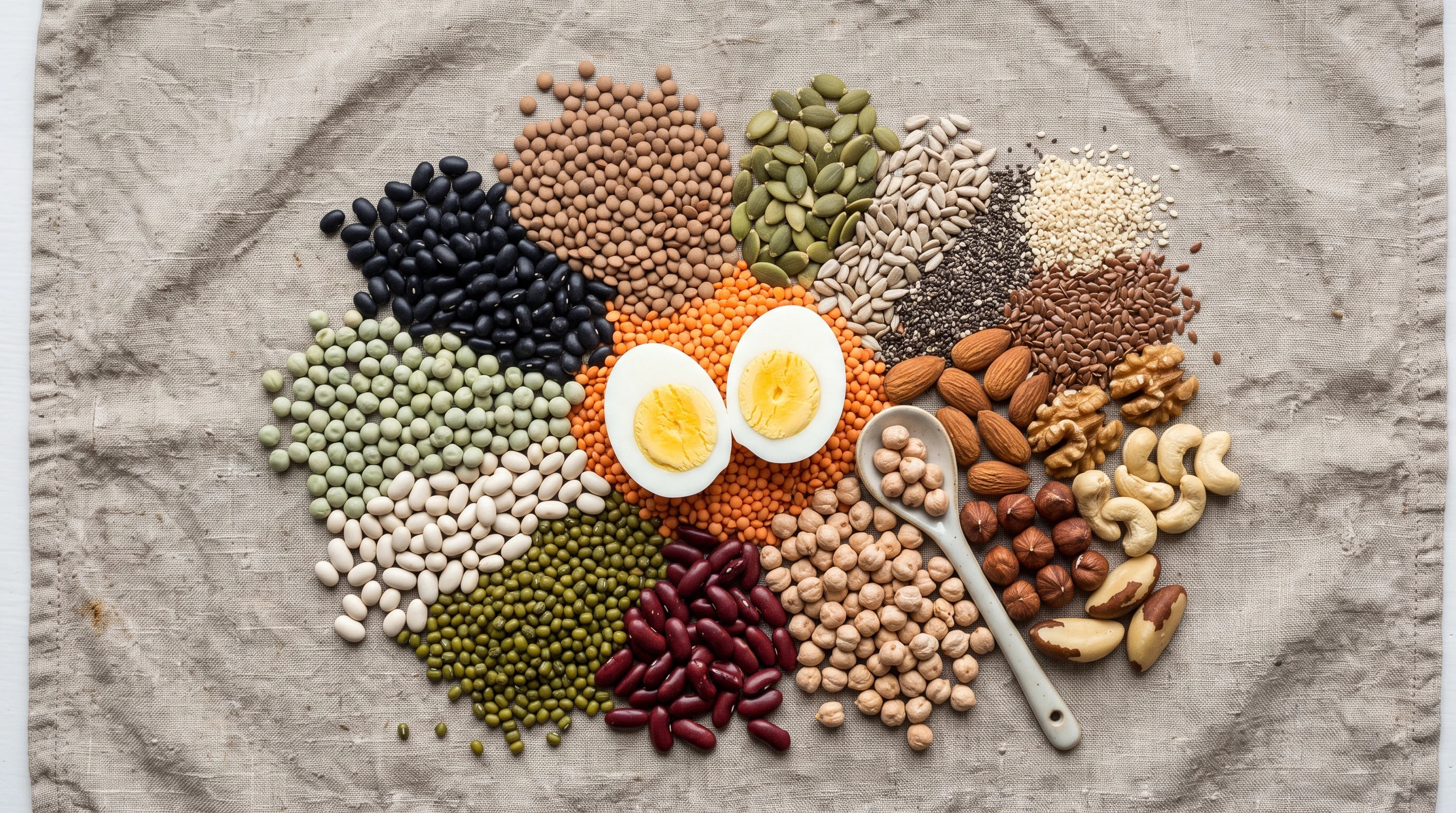
Most plant proteins, such as beans, lentils, grains, nuts, and seeds, are a bit different. Many of them are “incomplete,” which means they’re missing one or more essential amino acids, or have them in lower amounts. There are a couple of plant exceptions, including quinoa, soy, buckwheat, and chia seeds, which have all the essential amino acids. These options make for great choices if you’re into plant based foods.
How Our Bodies Use Plant vs. Animal Protein
The way your body digests and uses protein is called bioavailability. Animal proteins have high bioavailability, so your body can use almost all the protein they offer. With plant proteins, the bioavailability is a little lower. Plant foods contain fibre, phytates, and other natural compounds that can slow down how well your body absorbs the protein.
That doesn’t mean plant protein can’t do the job. Mixing different plant proteins, like beans and rice, helps fill in the amino acid gaps so your body gets everything it needs. For most people eating a variety of foods, hitting the right balance is pretty simple, even with a plant based diet.
Your body does an impressive job of storing amino acids you eat across different meals throughout the day. So, you don’t have to pair them perfectly at every meal—just aim for variety and balance daily.
Advantages of Plant Protein
People choose plant protein for lots of reasons beyond just nutrition. Here’s what stands out:
- Lower Saturated Fat: Plant proteins usually have less saturated fat compared to meat and some dairy products. That can be helpful for anyone watching their heart health.
- Rich in Fibre: Most plant foods come packed with fibre, which can aid digestion, help manage weight, and support better blood sugar control.
- Micronutrient Boost: Beans, seeds, nuts, and grains deliver vitamins, minerals, and antioxidants you don’t really get from meat alone.
- Environmental Impact: Producing plant protein typically uses fewer resources and creates less pollution compared to raising animals for food.
- Suitable for Most Diets: Plant proteins fit easily into vegan, vegetarian, and many other dietary patterns.
On top of these benefits, plant proteins can let people experiment with new recipes and flavours. You might stumble upon new favourite dishes as you switch up your protein sources.
At this point I’d like to mention that I am an independent Isagenix Associate and if you check out my Isagenix Official Associate Site you can find some really high quality plant protein and animal protein supplements, just scroll down the home page.
Disadvantages of Plant Protein
Even though plant protein has a lot going for it, there are some things to keep in mind:
- Incomplete Proteins: Most single plant sources miss at least one essential amino acid. Combining different foods helps, but you have to be a little more mindful.
- Lower Absorption: Things like fibre and phytates in plant food can lower how much protein your body actually uses.
- Calorie Load: To get the same amount of protein found in a chicken breast, you might need to eat a much larger portion of beans or nuts, which means more calories and carbs.
- Possible Nutrient Gaps: Some nutrients like vitamin B12, iron, and zinc are found in higher amounts, or are easier to absorb, from animal foods. Plant based eaters might need to look for supplements or fortified foods.
Advantages of Animal Protein
Animal protein options like beef, chicken, eggs, fish, and dairy are popular for some strong reasons:
- Complete Proteins: All animal proteins contain every essential amino acid—so you get a full package every time you eat them.
- High Bioavailability: Your body absorbs and uses animal protein efficiently.
- Rich in Key Nutrients: Animal foods often have nutrients like vitamin B12, iron (in a form called heme iron, which is easy to absorb), and zinc.
- Muscle and Recovery: Animal protein is a favourite for athletes or anyone trying to build muscle or recover from injuries, since it’s easy to digest and proven to support muscle growth.
For growing children, older adults, and athletes, the quality and convenience of animal protein can help provide reliable nutrition, especially where requirements are higher.
Disadvantages of Animal Protein
There are also a few reasons people choose to skip or limit animal proteins:
- Higher in Saturated Fat: Some animal foods can be heavy on saturated fat, which can impact cholesterol and heart health if eaten in large amounts.
- No Fibre: Animal foods don’t have any fibre, so you’ll need to get that elsewhere.
- Health Risks with Processed Options: Red and processed meats are linked to higher risks of certain health problems if eaten too often, such as heart disease or some cancers. Whole, unprocessed options usually make better choices.
- Environmental Concerns: Producing animal protein typically requires more land, water, and energy compared to plant based options.
How to Balance Your Protein
Most nutrition experts agree that you don’t have to pick just one side—blending plant and animal proteins works for a lot of people if you’re not strictly vegan or vegetarian. If you eat mainly plant based, here are a few easy tips to get all your amino acids and nutrients:
- Mix It Up: Rotate protein sources; have lentils one day, tofu the next, or pair brown rice with black beans for a complete combo.
- Watch Nutrient Intakes: Keep an eye on tricky nutrients like vitamin B12 and iron. Consider a supplement if you’re fully plant based.
- Eat Enough: Because plant protein can be less concentrated, make sure you’re getting enough total protein for your needs, especially if you’re highly active.
You can also try new plant foods, like tempeh, seitan, or edamame, that are rich in protein and bring fun tastes and textures to your meals. Most people find new favourite foods when they explore these options.
A reminder that you can get high quality protein in various forms at my Official Associate Site
Common Questions About Plant and Animal Protein
Question: Can I get enough protein from plants?
Answer: Yes, getting enough protein from plants is totally possible with variety and planning. For example, eating beans, lentils, tofu, nuts, whole grains, or soy regularly helps cover your protein needs.
Question: Do I need to combine plant proteins at every meal?
Answer: No, you don’t have to combine them at every meal. As long as you eat a range of protein sources throughout your day, your body sorts out the amino acids it needs.
Question: Which protein is better for building muscle?
Answer: Both can support muscle growth, but animal protein is absorbed a more efficiently. Plant proteins work well if you eat enough and get all the essential amino acids.
Question: What about allergies or intolerances?
Answer: Food allergies can happen with both types; soy or nuts for plant proteins, or eggs and dairy for animal. If you have allergies, plant diversity or specialised animal protein sources can help fill those gaps.
Choosing What Works Best for You
Whether you choose plant, animal, or a mix of both, the most important thing is getting enough protein for your health, activity, and lifestyle. Plant proteins offer a lighter environmental footprint and a big boost in fibre and micronutrients. Animal proteins deliver complete amino acids, are easy to absorb, and support quick muscle recovery. With a bit of variety and balanced meals, both approaches can help you thrive. Feel free to mix and match based on what feels right for your body and your goals. If you’re curious, experiment with new recipes and track down options that make you excited about meal times.