Adaptogens are making a comeback in wellness circles, and lots of people are curious if these natural stress-busters can play a part in losing weight. As someone who’s explored both health trends and evidence-backed wellness, I’ve spent a good amount of time reading up on and trying adaptogens. There’s a fair bit of hype, but here’s what I’ve really learned: adaptogens themselves don’t make the fat melt off, but they can actually help your body cope with stress, nudge hormones toward balance, and maybe even help you hold the line on cravings. All of that makes them pretty interesting for anyone with weight goals, or just wanting to feel their best overall. They are definitely worth looking into.
What Are Adaptogens, Anyway?
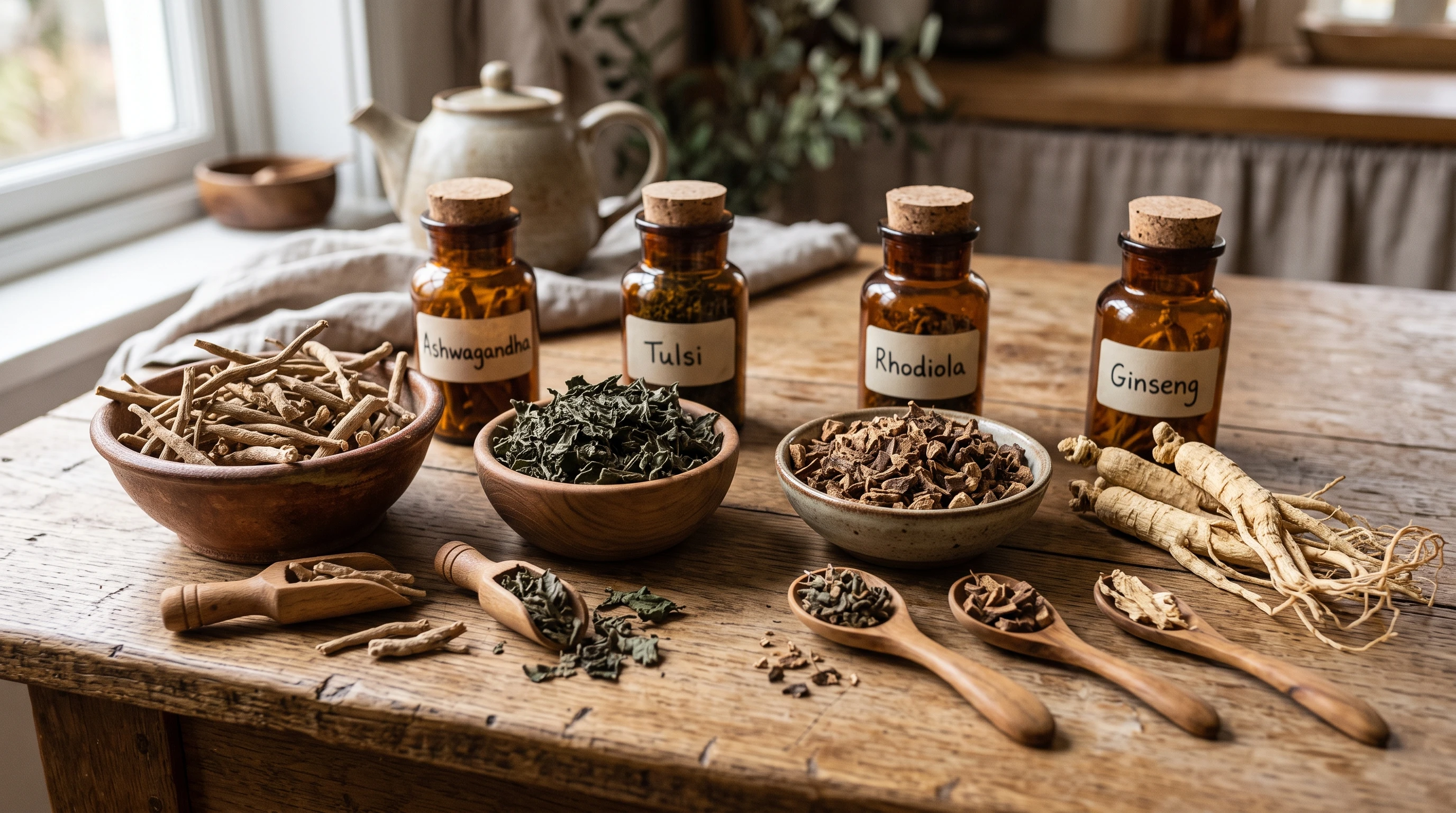
Adaptogens are a group of herbs and plant extracts that have been used in traditional medicine, especially in Chinese and Ayurvedic traditions, to help the body deal with all kinds of stress. Think of common names like ashwagandha, rhodiola, holy basil (sometimes called tulsi), and ginseng. These herbs are called adaptogens basically because they’re supposed to help the body “adapt” to physical, emotional, or metabolic stressors.
Instead of forcing the body in one direction (like caffeine winding you up), adaptogens seem to nudge everything back toward balance. People reach for them because they’re looking for gentle support, not a quick fix. I use the word gentle because they work in the background, supporting your body’s systems rather than pushing them too hard.
The Science: How Adaptogens Might Help With Weight Loss
Here’s the deal: there’s no magic bullet in the world of herbs, and that goes for adaptogens too. Direct fat burning isn’t how these herbs work. What they can do is support the body in ways that make healthy weight management easier, primarily by lowering stress, supporting hormones, and cooling off that urge to reach for sugary snacks.
Most research shows adaptogens help regulate cortisol, our main stress hormone. When cortisol is too high for too long, it’s pretty common to see weight gain (usually around the belly), extra cravings, and all sorts of sleep problems. By keeping cortisol in check, adaptogens sometimes help break that stress-weight cycle.
Studies on ashwagandha and rhodiola show improvements in mood, reductions in fatigue, and even better motivation to exercise. They don’t turn you into a weight loss machine, but lots of us notice they crave less junk during stressful periods. That’s worth something, especially if mindless snacking is your stumbling block.
There are even more subtle ways adaptogens can help your overall efforts. When stress is lowered, you tend to sleep better, have more predictable energy, and feel less need for quick comfort foods. While research is still growing, many nutritionists suggest that adaptogens may help keep you on track by supporting overall well-being — not just targeting your waistline. In the realm of wellness, small shifts add up. A body less rocked by stress hormones might grab an apple over a doughnut more often, making a tangible impact in the long run.
Top Adaptogens Linked With Weight Loss Support
Not every adaptogen targets stress or cravings in the same way. If you’re interested in using them for weight support, here are a few of the most mentioned options:
- Ashwagandha: Known for smoothing out stress and helping with sleep, two things that often trip up weight loss plans. Some small studies suggest it can help regulate cortisol and might ease stress eating patterns.
- Rhodiola Rosea: Sometimes called the “golden root,” Rhodiola may boost your energy and help you bounce back from exercise. There’s also some research linking it to reduced fatigue (so workouts feel easier) and less stress-related snacking.
- Holy Basil (Tulsi): This plant is said to support balanced blood sugar and reduce the effects of stress. In my experience, tea made from tulsi is calming, and some people use it to help avoid emotional eating.
- Panax Ginseng: Traditionally used to boost stamina and mental clarity, it might help your body handle stress more smoothly. Some studies have linked ginseng to tweaks in metabolism, but more research is needed.
Just as a quick aside, I am an Isagenix Independent Associate and on my Isagenix Official Associate Site you can check out some extremely high quality adaptogens.
Alongside these, some people experiment with other herbs like schisandra or maca root, though the science is not as strong when it comes to weight loss. It’s smart to check out how each herb interacts with your body, and to observe how you feel over time.
How Adaptogens Help Manage Stress and Balance Hormones
A big piece of the weight loss puzzle is stress management. Chronic stress triggers a cascade of hormone changes, especially raising cortisol, which leads to stubborn fat, poor sleep, and endless cravings. Adaptogens can help by:
- Regulating cortisol, so levels aren’t stuck on “high alert.”
- Supporting restful sleep, which is often missing when stress is up and hormones are off.
- Easing fatigue and brain fog, so it’s easier to stick with healthy routines (including exercise and meal prepping).
I’ve personally noticed that taking ashwagandha helps dial down the jitters and late-night munchies that hit when life gets chaotic. Talking to friends and fellow health nerds, a lot of us find it easier to stick to eating plans when using adaptogens as part of our routine, especially during stressful seasons.
It’s worth noting that adaptogens often work best as part of a stability-focused lifestyle. Building habits around nourishing foods, movement, relaxation, and sleep creates the best environment for these herbs to show their true value. If you’re already doing the basics, adaptogens might be the extra boost you need.
Tips for Adding Adaptogens Into Your Routine
Always check in with your healthcare provider before adding new supplements, especially if you’re on medications or have chronic health issues. Assuming you’re cleared, here are a few practical ways to give adaptogens a try:
- Start small. Ashwagandha or rhodiola capsules are good and generally well tolerated, but go with the lowest recommended dose at first.
- Add adaptogens to smoothies or tea. Powders mix in easily, and teas like holy basil are calming in the evening.
- Look for blends. Many supplements combine two or more adaptogens for a gentle, “all bases covered” effect.
Be patient! Most adaptogens aren’t quick-fix solutions, so it may take a few weeks before you notice changes in stress levels or cravings.
If you’d like to make the experience enjoyable, try experimenting with recipes. Adaptogen-laced lattes, herbal snack balls, or incorporating them into your favourite breakfast bowl can turn this wellness step into a treat rather than a chore. Sharing your routine with others, whether through social media or a wellness community, can help you stick to your intentions and track progress together.
Common Pitfalls and Things to Watch
Like with anything in the supplement aisle, it’s easy to expect too much, too fast. Adaptogens aren’t going to give you dramatic results overnight. Some people do feel a difference pretty quickly, like better sleep or less anxiety, but most positive changes build up slowly over time.
Also, not every product is created equal. Sticking with brands that do third-party testing is a smart way to avoid sketchy stuff in your supplements. It also helps to check for possible side effects. Some adaptogens (like ginseng) can make some feel wired or mess with sleep if taken late in the day. Others may interact with medications.
Another thing to watch is stacking too many new supplements at once. Trying several unfamiliar herbs or blends together can make it hard to spot which one is doing what, or if anything is giving you trouble. Keep things simple and bring in one new adaptogen at a time so you can check in with your body and spot any changes easily.
Can Adaptogens Replace Diet and Exercise?
Despite all their cool benefits, adaptogens won’t replace healthy eating, movement, and sleep habits. Think of them as a tool to support your overall efforts, not a shortcut. When I eat well, move my body, and get enough sleep, adding an adaptogen on top offers that extra bit of support to stay consistent, especially when the stress monster shows up!
Real-World Examples: How People Use Adaptogens for Weight Support
Curious how actual people are putting adaptogens into practice? Here are a couple of examples I’ve seen that show how they fit into modern routines:
- Morning rhodiola for energy: People who wake up groggy (especially in the winter) sometimes add rhodiola to their smoothie or coffee alternative. This can help with energy for early workouts or to dodge sugary snacks mid morning.
- Ashwagandha at night: Anyone struggling with late night snacking or insomnia might work a small dose of ashwagandha into an evening routine, either as a capsule or mixed in warm milk.
- Holy basil tea to cut cravings: If emotional eating hits hard at work, a cup of tulsi tea in the afternoon is a soothing ritual that helps break the habit of grabbing sweets.
What seems to matter most is consistency. Using these herbs in ways that match your needs, rather than expecting instant results, is key. Many people find it helpful to make note of their moods, cravings, and sleep over a few weeks to see if there are any patterns tied to adaptogen use.
Don’t forget you can learn more about a range of wellness and nutritional products on my Official Associate Site
Frequently Asked Questions
People have a lot of questions about adaptogens, so I wanted to touch on a few of the most common ones I hear:
Q: Can adaptogens make you lose weight without diet or exercise?
Not really. These herbs don’t directly burn fat. Their role is in helping the body deal with stress, making it easier to follow healthy routines.
Q: Are adaptogens safe for everyone?
They’re usually pretty safe for most people, but certain conditions, medications, or allergies might make some options off-limits. Checking with a health professional helps dodge any unwanted surprises.
Q: How long before you see benefits?
Give it a few weeks at least. Some people notice stress relief pretty quickly, but weight support is more about consistency over time.
Final Thoughts
Adaptogens aren’t a weight loss quick fix, but they do support healthy habits in real, practical ways. They’re best known for helping manage stress, supporting hormone balance, and often taking the edge off cravings. When combined with good food, regular movement, and enough sleep, adaptogens are another tool in your wellness kit. If you’re feeling overwhelmed by stress or stuck in a snack loop, trying out a well-chosen adaptogen could be worth exploring. The most important takeaway from my experience: progress feels a lot easier when your mind and body are handling stress with a little extra plant powered support.