Welcome! I am an Isagenix Independent Associate. I’m here to share my personal journey and help you find the right nutritional solutions for your goals.
That flat white, morning porridge or post-gym smoothie can look very different nutritionally depending on the oat drink you choose. So, is oat milk healthy? It can be a convenient and enjoyable part of a balanced routine, especially for people avoiding dairy, but the answer depends on the ingredients, how much you drink and what the rest of your meals provide.
For a Vibrant Reset approach, the goal is not to label one drink as perfectly healthy or unhealthy. It is to make a choice that supports steady energy, satisfying meals, weight-management goals and healthy ageing, without turning your food shop into a confusing project!
Is oat milk healthy for your everyday routine?
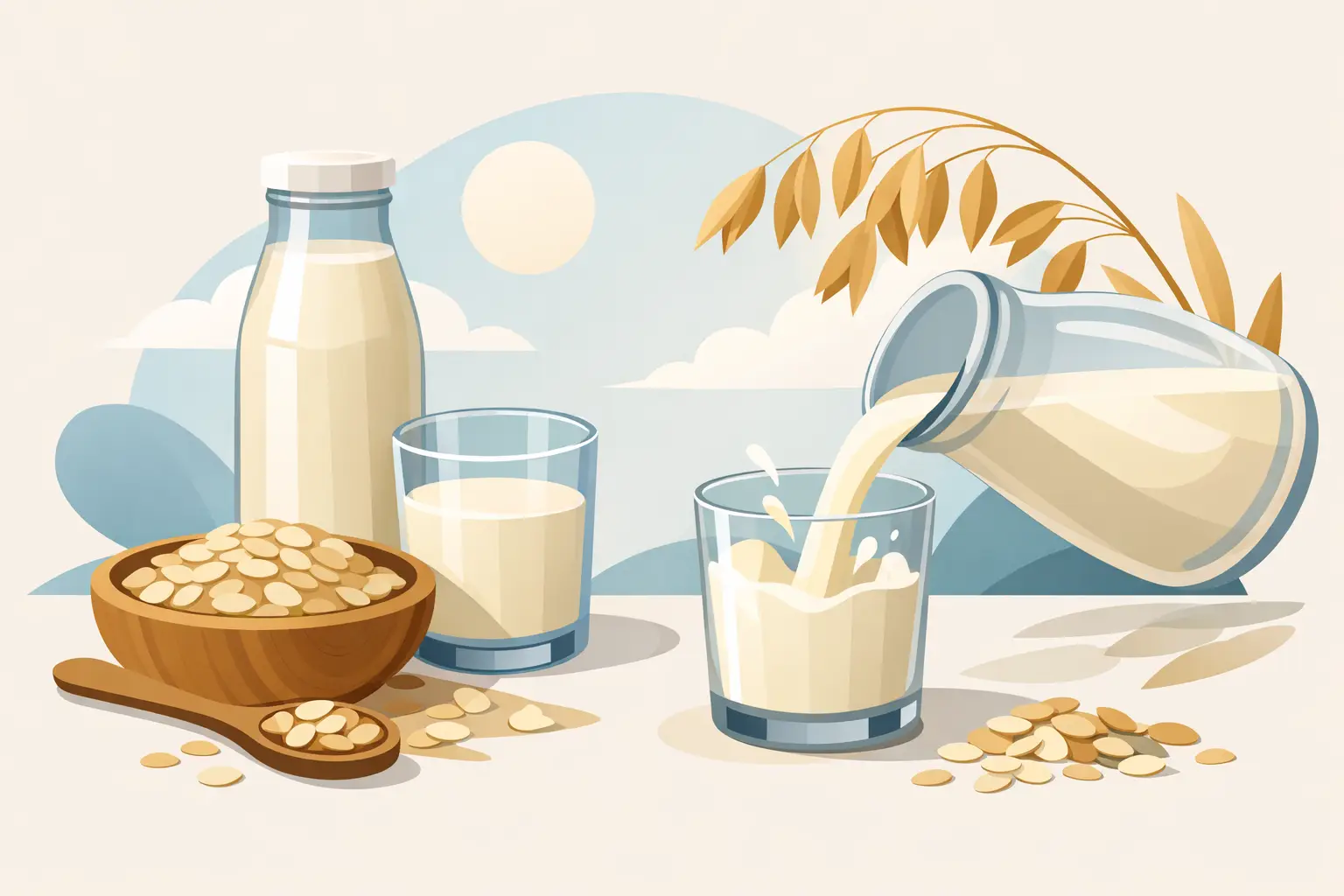
Oat milk is made by blending oats with water, then straining and processing the mixture into a smooth drink. Many supermarket varieties are fortified with nutrients such as calcium, iodine, vitamin B12 and vitamin D, which can be particularly useful when dairy is not part of your diet. Always check the carton, though, as fortification varies widely between brands.
Compared with cow’s milk, oat milk usually contains less protein. Compared with almond drinks, it often contains more carbohydrate and may feel a little more naturally filling. Its creamy texture makes it popular in tea, coffee and cereal, and it can be a practical plant-based option when it suits your preferences and digestion.
The key trade-off is that oat milk is not simply liquid oats. Processing can break down some oat starch into smaller sugars, which is why even an unsweetened carton may show a modest sugar figure on the label. That does not automatically make it a poor choice. It does mean that the full nutrition panel matters more than a front-of-pack health halo.
What oat milk can offer
A fortified, unsweetened oat drink may contribute calcium and vitamin D to your day, nutrients associated with normal bone health. Some varieties also provide iodine and B12, which deserve attention for anyone following a largely plant-based eating pattern. The amounts differ, so it is worth comparing labels rather than assuming all oat drinks offer the same support.
Oats contain beta-glucan, a type of soluble fibre. However, the amount that remains in the finished drink can be lower than in a bowl of porridge because the product is diluted and filtered. Oat milk can still have a place in a fibre-conscious lifestyle, but it should not replace whole oats, beans, vegetables, fruit, nuts and seeds as your primary fibre sources.
For energy, oat milk can be useful when it helps you create a breakfast or snack you genuinely enjoy and can repeat. A coffee with oat milk alone is not a balanced breakfast, but oat milk alongside eggs on wholegrain toast, yoghurt with fruit, or porridge topped with seeds can fit beautifully into a more sustaining start.
The points worth checking on the carton
Choose an unsweetened version when you can, particularly if oat milk is something you use several times a day. “No added sugar” and “unsweetened” are helpful phrases, but still look at the total carbohydrates and sugars per 100 ml and per serving.
Next, look at protein. Many oat drinks contain around 1 gram of protein per 100 ml, while dairy milk and some soya drinks provide more. This matters if you use a large glass of oat milk as a snack or build smoothies around it. Oat milk can add creaminess, but it is rarely the protein foundation of the meal.
Also check whether the drink is fortified with calcium, vitamin D, iodine and B12. If it is fortified, give the carton a good shake before pouring, as minerals can settle at the bottom. Barista editions deserve a closer look too. They often foam well because they contain added oil or other ingredients, which can increase calories. That is not a reason to avoid them, just a reason to enjoy them with awareness rather than treating them as identical to a standard oat drink.
Finally, if you have coeliac disease or need to avoid gluten, choose an oat drink specifically labelled gluten-free. Oats themselves do not contain gluten, but cross-contamination can occur during growing and manufacturing.
Oat milk, weight management and satisfaction
Weight management is rarely improved by one swap alone. The more helpful question is whether your usual choice leaves you satisfied, nourished and able to keep a steady rhythm with meals. An unsweetened oat drink in tea is unlikely to make or break your goals. A large, syrup-heavy café drink every afternoon may be more tricky, especially if it has become an automatic energy rescue.
Instead of relying on restriction, build meals that contain protein, fibre, colour and enough food to satisfy you. If you make a smoothie with oat milk, add a meaningful protein source, such as Greek yoghurt, fortified soya yoghurt, cottage cheese where suitable, or a protein powder you tolerate well. Include berries, spinach and nut butter or seeds for flavour and texture.
This is where protein pacing can be a supportive habit. Protein pacing simply means spreading protein-rich foods across meals and snacks instead of trying to get nearly all of it at dinner. Individual needs vary with body size, age, activity and dietary pattern, but many people notice that a protein-containing breakfast makes their routine feel more manageable. Oat milk can be part of that breakfast, but it works best as the supporting ingredient rather than the main event.
Supporting energy without chasing quick fixes
Energy is influenced by sleep, stress, hydration, movement and regular nourishment as much as it is by any one food. If your mornings often begin with coffee and oat milk, then turn into an 11 am slump, experiment with adding a proper breakfast before assuming you need more caffeine.
A simple reset could be porridge made with half oat milk and half water, topped with yoghurt or a scoop of protein, fruit and chopped nuts. Or keep your oat-milk latte and pair it with a savoury breakfast that includes eggs, tofu or beans. Small changes can feel more realistic than a complete dietary overhaul.
Botanical adaptogens are another area people often explore for well being routines. These plant ingredients are used in some wellness products, but they are not a replacement for food, rest or personalised clinical advice. If you are pregnant, breastfeeding, taking medication or managing a health condition, speak with a qualified healthcare professional before adding concentrated botanical supplements to your routine.
At this point I would like to point out that if you would like to check out some good ways to ensure you are getting enough daily protein, as well checking out botanical adaptogens please go to my Isagenix Official Associate Site
Where nutritional cleansing fits, if at all
Nutritional cleansing does not need to mean extreme fasting, punishing food rules or trying to “detox” your body. Your body already has systems that process and eliminate waste. A more grounded interpretation is creating intentional spaces in your routine for hydration, whole foods, regular meals and fewer heavily processed extras that do not make you feel your best.
For some people, this might look like choosing water between coffees, adding vegetables to lunch, preparing a balanced evening meal and becoming more mindful about alcohol or frequent grazing. Oat milk can comfortably fit into this picture. The aim is consistency and self-awareness, not perfection.
A simple way to make oat milk work for you
If you enjoy oat milk, there is no need to remove it from your life in pursuit of a “cleaner” routine. Choose an unsweetened, fortified carton most of the time, use barista versions intentionally, and make sure your wider day contains enough protein and fibre. Think about what your oat-milk habit is paired with, not just the drink itself.
For people working towards healthy ageing, that wider pattern matters deeply: adequate protein to support normal muscle maintenance, calcium and vitamin D where needed for bone health, fibre-rich plants for everyday nourishment, and enjoyable routines you can maintain. A daily cup of tea should add a little comfort to your life, not a layer of worry.
If you would like more structured support around protein pacing, nutritional cleansing or simple wellness habits that fit real life, Check Today’s Bundle Pricing at my Official Associate Site
Refresh your life by making the next choice a thoughtful one: pour the oat milk you enjoy, build a nourishing meal around it, and let small, repeatable habits carry your goals forward.
These statements have not been evaluated by the Food and Drug Administration. These products are not intended to diagnose, treat, cure, or prevent any disease. Weight loss results may vary.