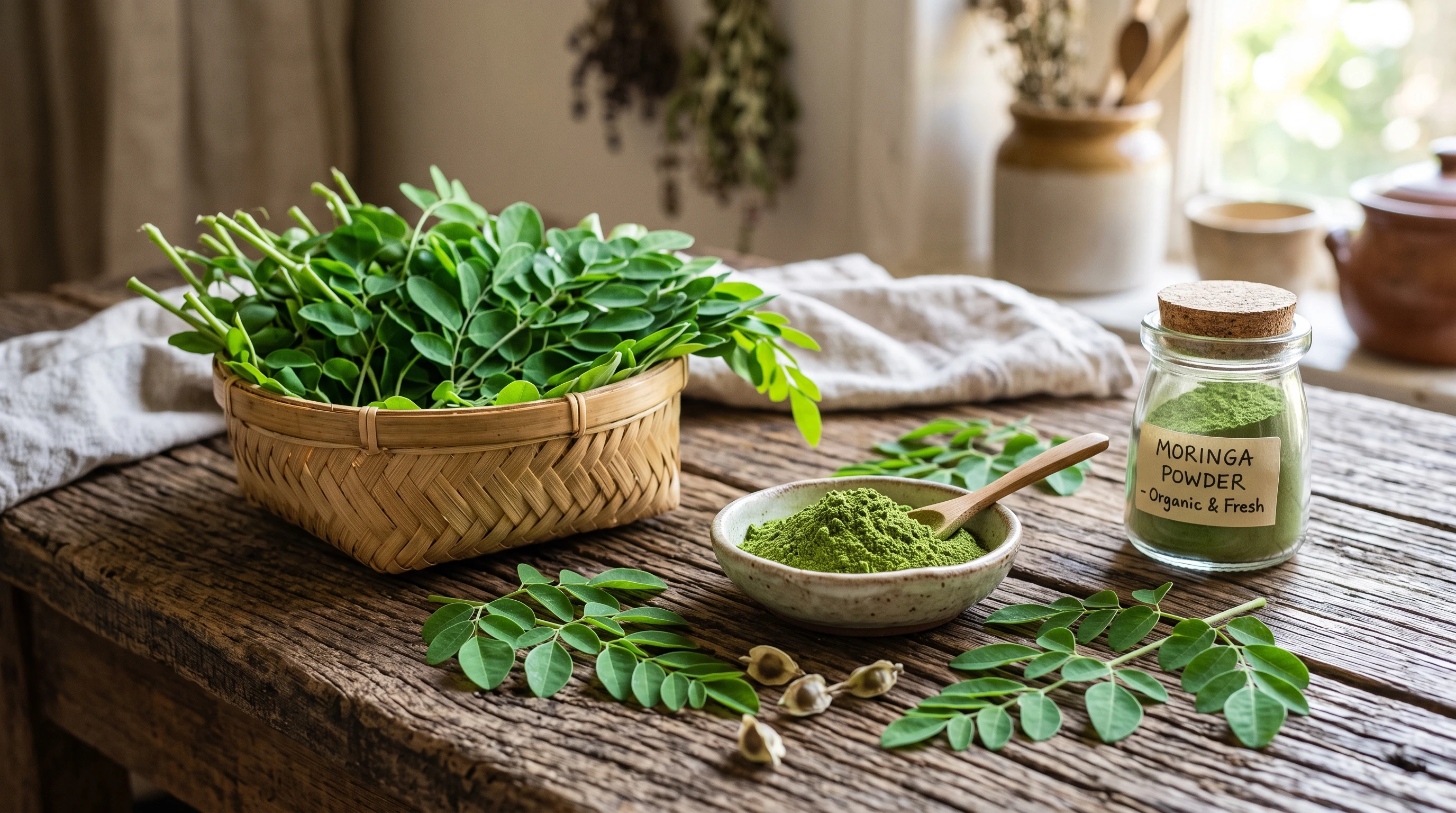
Moringa, often called the “miracle tree,” has gained a lot of attention in recent years as a superfood. The leaves, seeds, pods and even roots of Moringa oleifera are rich in nutrients, making it a popular choice for those wanting to give their health a boost. Many people add moringa powder to smoothies, cook it in curries, or brew it as tea, hoping to boost their well-being. While there are plenty of stories online describing its benefits, there is also some confusion about what moringa can actually do for the body and why it has earned the superfood title.
What Makes Moringa a Superfood?
The word “superfood” is used for foods that are dense in nutrients believed to support health. Moringa certainly fits this description, as its leaves contain high levels of protein, essential amino acids, vitamin A, vitamin C, calcium, potassium, and antioxidants. In several regions, people have put moringa to work for centuries, both as food and as medicine. The leaves are the most popular part of the plant and are often dried and ground into powder for easy use in recipes, drinks, or supplements.
Here’s a breakdown of specific nutrients found in moringa leaves (per 100 grams of dried leaf):
- Protein: Offers up to 27 grams, making moringa one of the best plantbased protein sources.
- Vitamin A: Supplies beta-carotene, supporting immune health and vision.
- Vitamin C: Helps with tissue repair and immune support.
- Calcium: Important for strong bones; moringa provides more calcium than many green vegetables.
- Potassium: Supports fluid balance and muscle function.
- Antioxidants: Contains quercetin and chlorogenic acid, which can help target oxidative stress in the body.
Because of these nutrients, moringa is considered by many as a superfood that fills nutritional gaps, especially in plantbased diets. It is also low in calories, making it a suitable choice for those watching their caloric intake while wanting to get a nutrient dense boost.
I would like to point out at this juncture that I am an independent Associate for Isagenix and on my Isagenix Official Associate Site you can find a premium moringa superfood powder under the Daily Nutrition tab, please check it out.
History and Traditional Uses of Moringa
People have put moringa to work for a long time in South Asia and parts of Africa, where communities use this plant for nutrition and medicinal purposes. The leaves and pods are commonly used in cooking, while seed oil is applied to skin and hair. Ayurvedic traditional medicine has turned to moringa for hundreds of years for joint pain, inflammation, and gut problems.
Interest in moringa spread globally thanks to its resilience. This tree thrives in dry, sandy soils where other crops may not make it, making it a key part of malnutrition relief programs in developing countries. In addition to its health benefits, the moringa tree is ecofriendly; it grows fast and can help restore soil, making it popular for sustainable agriculture.
Common Ways to Add Moringa to Your Diet
Most people get into moringa by using its dried powder, as this is easy to add to various foods. A spoonful can be stirred into smoothies, yoghurt, or oatmeal—some even sprinkle it over salads or roasted vegetables. Moringa tea, made by steeping dried leaves in hot water, provides a gentle introduction for those unsure about its taste. In Asian and African cuisines, fresh or cooked moringa leaves and pods pop up in dishes such as soups, stews, and curries. While moringa seeds can be eaten, they are less common outside of the plant’s native home.
If you are new to moringa, it is wise to start with a small amount and slowly bump it up, as its earthy, slightly bitter taste can be strong. Blending it into smoothies with fruits like banana or mango, or adding it to savory sauces and soups, can help mellow the flavor.
Health Benefits According to Research
Nutrition researchers have given moringa a once-over for its health-boosting potential. Peer-reviewed studies confirm a few claimed benefits, while others need more proof. The main supported perks include:
- Rich Source of Nutrients: Moringa packs in vitamins, minerals, and protein, which helps people supplement diets low in greens or protein.
- Antioxidant Effects: Antioxidants in the plant can support the body’s defenses against oxidative damage, which matters for long-term health.
- Blood Sugar Management: Small studies in people with diabetes or prediabetes hint that moringa may help lower blood sugar levels, but more research is needed.
- Anti-Inflammatory Effects: Animal studies suggest moringa compounds may ease up inflammation. Still, research in people is more limited.
While moringa brings plenty of nutrition and some promising health perks, it should not be seen as a medicine substitute or an all-purpose cure. It works best as a helper, not as the main ingredient in managing health conditions.
Possible Side Effects and Precautions
Most people handle moringa well in recommended amounts. Still, taking large doses or using moringa supplements long term can present risks. Not all parts of the plant are safe: roots and bark, in particular, should be avoided, as they may be toxic. Pregnant women should steer clear of moringa root and bark due to possible effects on pregnancy. If you take medication for blood sugar or blood pressure, check in with a healthcare provider before using moringa supplements, as it might influence how your medicines work.
It is also essential to make sure you buy moringa from reputable sources. Contamination with heavy metals, pesticides, or pathogens can occur with low-quality products.
How Moringa Compares to Other Superfoods
When you compare moringa to other foods getting the superfood buzz, such as spinach, kale, acai, or spirulina, it stands out for its high protein content and wide range of micronutrients, all packed into a small amount. Moringa is one of the few leafy greens that supplies all nine essential amino acids, making it especially valuable for vegans and vegetarians. Its dried powder also stores well at room temperature and is easy to travel with.
Even though moringa is nutrient packed, remember that variety is the real key to a healthy diet. No single food delivers everything your body needs. Aim to mix in plenty of whole foods, such as vegetables, fruits, whole grains, and nuts, and use moringa as a bonus in your routine.
Key Things to Consider Before Adding Moringa to Your Diet
Moringa adds protein and vitamins to meals, making it particularly handy for those with limited access to fresh produce. You should put moringa to work as part of an overall healthy diet, not as the main attraction. Taking large amounts of moringa supplements is not a good idea unless it is suggested by a health professional.
- Pick a trusted source: This helps you avoid contamination by heavy metals, pesticides, or pathogens.
- Start slow: Some people may notice mild stomach discomfort if they use too much dried moringa right away.
- Keep it balanced: Use moringa as a nutritional boost, not as the main course or as a replacement for meals covering all food groups.
Also, if you have allergies or pre existing conditions, it’s always smart to check with a doctor first.
For one of the best moringa powders on the market check out the Supermix on my Official Associate Site
FAQs: Moringa and the Superfood Hype
Is moringa safe for everyone?
Most people can safely use moringa leaves or powder in moderate amounts. However, those who are pregnant, breastfeeding, or taking medication should check in with a doctor before getting into moringa.
Can moringa cure diseases?
No, moringa does not cure illnesses. While it delivers important nutrients and may help support health, research does not back up the idea that moringa cures diseases.
How much moringa powder should I use daily?
Many people use between half a teaspoon and two teaspoons a day. Start with a small amount and raise it gradually to see how your body responds.
What does moringa taste like?
Moringa has an earthy, slightly bitter taste. When mixed into smoothies or cooked dishes, this taste becomes milder and is almost unnoticeable when balanced with other bold flavors like fruit or spices.
Is moringa environmentally friendly?
Yes. Moringa trees are easy to grow, require little water, and can improve soil quality. This makes them a sustainable option for farmers and helps combat environmental challenges in some regions.
Final Thoughts on Calling Moringa a Superfood
Moringa has earned its reputation as a superfood due to its concentrated protein, vitamins, and antioxidants—this is especially useful for those wanting to step up their plant-based nutrition. Science backs its value as a nutritious whole food, and it can slot easily into a healthy diet.
But moringa should not be viewed as a miracle cure. Like any supplement or superfood, it is best seen as just one piece of the wider nutritional puzzle. A balanced diet bursting with colourful veggies, fruits, whole grains, and healthy proteins is still the best bet for good health. Bringing moringa into the mix in moderation, and always from a safe, reliable source, offers a handy way to get a nutritional leg up—but don’t stop taking medication or skip doctor visits. Moringa is a useful tool in the toolkit, not the whole solution.