Welcome! I am an Isagenix Independent Associate. I’m here to share my personal journey and help you find the right nutritional solutions for your goals.
If you have ever stood in your kitchen wondering how to eat well without over complicating every meal, plant based protein sources are one of the smartest places to start. They can support steady energy, help with weight management, and fit beautifully into a more intentional approach to healthy ageing. Better still, they are versatile, affordable, and easy to build into everyday routines. What more could you ask for!
For many people, protein still gets framed as something that mainly comes from meat, fish, or dairy. In reality, plants offer plenty of protein too, along with fibre, vitamins, minerals, and beneficial plant compounds. That combination matters. It means you are not only thinking about how much protein you eat, but also about the overall quality of what is on your plate.
Why plant based protein sources matter
Protein helps maintain muscle, supports recovery after activity, and contributes to feeling satisfied after meals. That satisfaction piece is especially helpful if your goal is weight management, because meals with adequate protein tend to feel more balanced and less likely to leave you searching the cupboard an hour later.
Plant proteins bring a second advantage that often gets overlooked. Many sources, such as lentils, beans, seeds, and whole grains, also provide fibre. Fibre supports digestive wellbeing and can help you feel fuller for longer. For adults looking to refresh their life without strict rules or extreme plans, this is a very practical win.
There is a trade-off worth being honest about. Some plant proteins are less concentrated than animal proteins, so you may need to think a little more carefully about portions and combinations. That does not make them inferior. It simply means a more mindful approach helps.
The best plant based protein sources for everyday meals
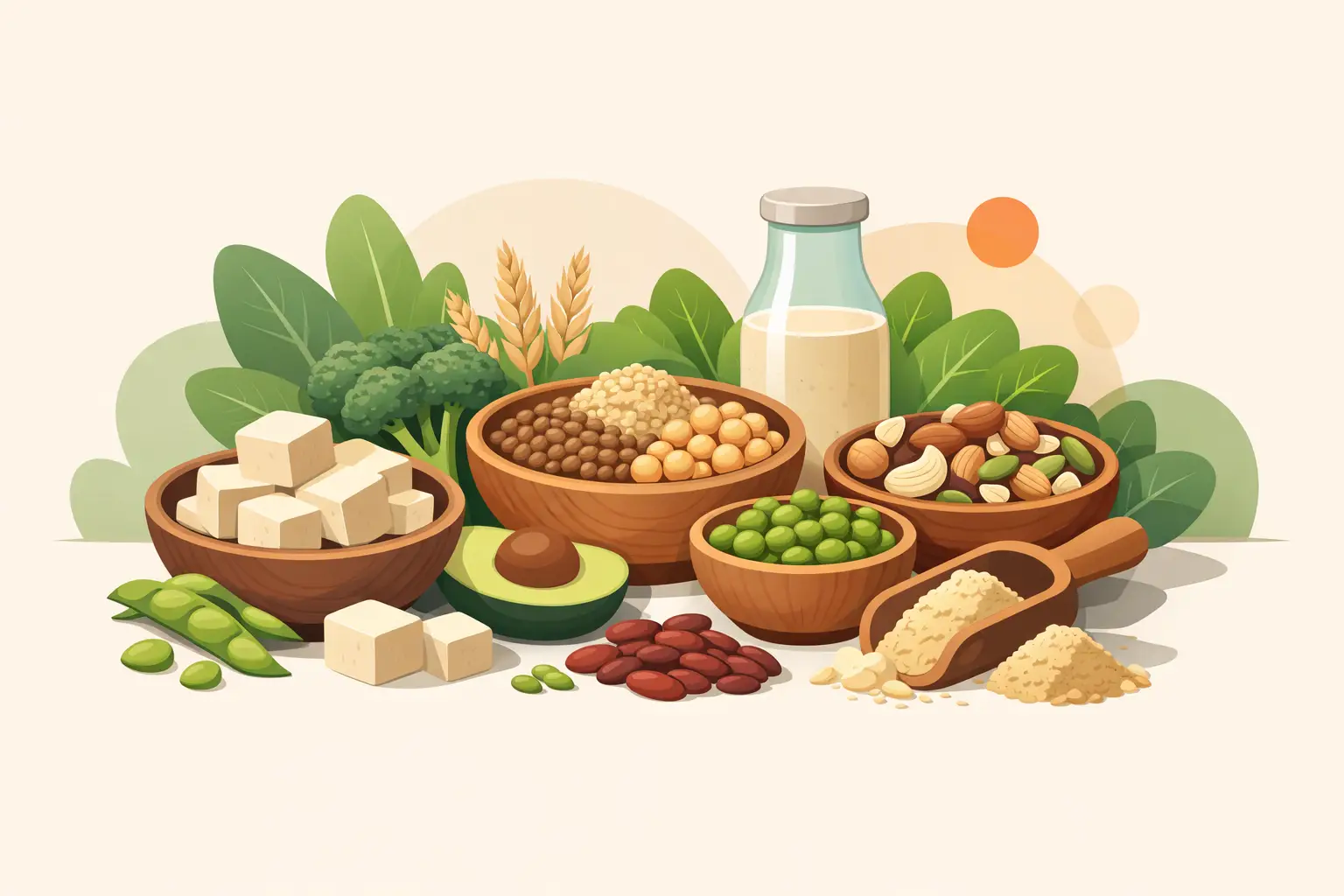
Lentils are one of the easiest places to begin. They work in soups, curries, warm salads, and pasta sauces, and they offer protein, iron, and fibre in one simple ingredient. Chickpeas are equally useful, whether you stir them into stews, roast them for a crunchy topping, or blend them into hummus.
Beans deserve more attention than they usually get. Black beans, kidney beans, cannellini beans, and butter beans all bring protein and slow-release carbohydrates, which can support steadier energy across the day. Tofu and tempeh are excellent options too. Tofu has a mild flavour and absorbs marinades well, while tempeh has a firmer texture and a nuttier taste that many people enjoy once they find the right recipe.
Edamame, quinoa, oats, nuts, and seeds can all play a role. Quinoa is often praised because it contains all nine essential amino acids, but it does not need to be your only focus. In most real-world diets, variety matters more than chasing a perfect single ingredient. Chia seeds, pumpkin seeds, hemp seeds, and almonds can all quietly increase your daily intake when added to porridge, yoghurt alternatives, salads, or smoothies.
How to build complete meals with plant protein
You do not need to combine every amino acid perfectly in one sitting, but variety across the day is helpful. A bowl of porridge with seeds at breakfast, lentil soup at lunch, and tofu with vegetables and brown rice in the evening can create a strong overall intake without feeling rigid.
One of the easiest ways to make plant protein work is to build meals around a clear anchor. That might be lentils in a shepherd’s pie, chickpeas in a traybake, or tofu in a stir-fry. Once the protein source is decided, the rest of the meal becomes much easier to organise.
This is also where protein pacing can be especially useful. Rather than loading most of your protein into one evening meal, spreading it more evenly across breakfast, lunch, dinner, and perhaps a snack can support more consistent energy and better appetite control. It is a simple strategy, but for busy adults trying to feel stronger and more in control of their routines, it can make healthy eating feel more achievable.
Plant based protein sources and weight management
Weight management is rarely about one ingredient, and anyone promising that is oversimplifying the picture. What often works better is building meals that are satisfying enough to reduce mindless grazing. Plant proteins can help here because they pair protein with fibre and volume.
A chickpea salad with roasted vegetables, olive oil, and seeds often feels more filling than a light lunch built mostly around refined carbohydrates. The same goes for a hearty bean chilli or a lentil and vegetable soup. These meals can be nourishing without feeling restrictive, which matters because sustainability usually beats short bursts of perfection.
If you are trying to create a more supportive routine, nutritional cleansing can fit into the bigger picture when approached sensibly. In wellness terms, this usually means creating space for balanced, nutrient-dense eating and reducing some of the heavily processed extras that can leave you feeling sluggish. It is not about harsh deprivation. It is about helping your body feel lighter, your habits feel cleaner, and your choices feel more intentional.
Supporting energy and healthy ageing
Energy is not only about calories. It is also about blood sugar stability, hydration, sleep, stress, and meal quality. Plant proteins can contribute by helping create balanced meals that digest more steadily than ultra-processed snacks or sugar-heavy options.
Healthy ageing benefits from that same consistency. As we get older, maintaining muscle becomes more important for strength, mobility, and resilience. Protein plays a central role, and plant foods can absolutely be part of that strategy. You may simply need to be a bit more deliberate about including a quality source at each meal.
There is also a broader wellness advantage. Many plant protein foods provide antioxidants, magnesium, folate, and phytonutrients that support overall vitality. They are not magic ingredients, but they do help create a stronger nutritional foundation over time.
Where adaptogens and supportive products fit in
Some people find that whole foods cover their needs beautifully, while others appreciate additional support during busy or stressful seasons. By the way, the following products can all be found at my Isagenix Official Associate Site please check it out.
Products featuring botanical adaptogens are useful and can be a great fit. In simple terms, adaptogens are plant compounds traditionally used to help the body adapt to everyday stressors and support balance.
They are not a replacement for meals, sleep, or healthy habits. But when used as part of a broader wellness routine, they may complement efforts to support energy and resilience. For adults trying to empower their goals and lifestyle, that can be a useful layer of support, especially when routines feel stretched.
It is also worth understanding the science behind protein products in plain language. Some formulations use undenatured whey, which means the protein has been processed gently to help preserve its natural structure. Others include marine collagen, often used to support beauty-from-within routines connected to skin, hair, and healthy ageing goals. These are not plant based ingredients, so they will not suit everyone, but they are often part of broader nutrition conversations for people looking at convenience, recovery, or beauty support alongside daily meals.
For those who prefer a mainly plant-led lifestyle, plant protein blends can still be a practical option. Pea, brown rice, and seed-based blends are common because they offer a more balanced amino acid profile and can make protein pacing easier on busy days.
You can Check Today’s Bundle Pricing and Learn More on my Official Associate Site
Simple ways to eat more plant protein without overthinking it
Start where your routine already exists. Add hemp or chia seeds to breakfast, swap part of the meat in a chilli for lentils, use hummus in sandwiches, or keep edamame in the freezer for quick meals. If you enjoy smoothies, a plant protein powder can make breakfast more balanced, especially when mornings are rushed.
The biggest mistake people make is trying to change everything at once. A better approach is to choose two or three easy upgrades and repeat them until they feel natural. Wellness habits tend to stick when they feel supportive, not punishing.
If you are new to this style of eating, remember that digestion, appetite, and preferences vary. Some people thrive on beans and pulses daily. Others need a slower build-up and benefit from soaking, rinsing, or choosing easier-to-digest options first. It depends on your body, your schedule, and the meals you genuinely enjoy.
A more vibrant routine rarely begins with perfection. It begins with one or two nourishing choices repeated often enough to become part of who you are. Let your meals support your energy, your confidence, and your next chapter with a little more intention.
These statements have not been evaluated by the Food and Drug Administration. These products are not intended to diagnose, treat, cure, or prevent any disease. Weight loss results may vary.