Welcome! I am an Isagenix Independent Associate. I’m here to share my personal journey and help you find the right nutritional solutions for your goals.
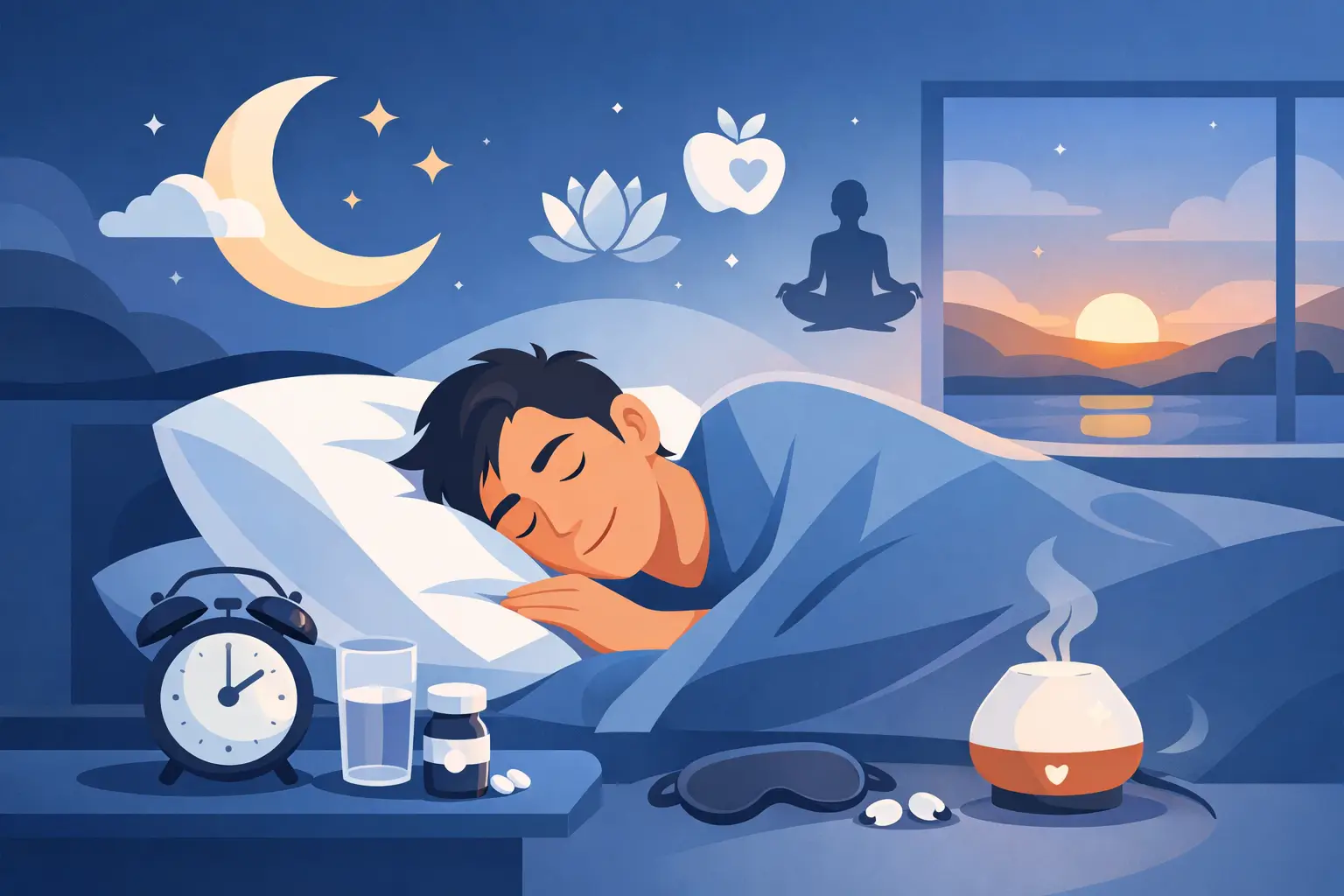
You can eat well, move your body, buy the lovely skincare and set the intentions – but if your sleep is patchy, everything feels harder than it should. Sleep hygiene for wellbeing is not about chasing a perfect bedtime routine that looks good on social media. It is about building conditions that help your body and mind settle, recover and show up with steadier energy the next day.
For many adults in the UK, poor sleep is not caused by one dramatic problem. It is usually a stack of small habits: late scrolling, irregular mealtimes, too much caffeine, work stress that follows you into bed, and bedrooms that have quietly turned into second offices. The good news is that small changes often have a real effect. When your evenings become more supportive, your mornings usually feel less like a battle.
What sleep hygiene for wellbeing really means
Sleep hygiene simply means the habits and environment that support good quality sleep. It sounds basic, but it matters because sleep sits underneath almost every wellness goal people care about. Better sleep can support more stable energy, more balanced food choices, clearer thinking and a stronger sense of emotional resilience. If you are focused on weight management or healthy ageing, sleep is not a side note. It is part of the foundation.
That does not mean there is one ideal routine for everyone. Parents, shift workers, peri-menopausal women and people with high-pressure jobs will all have different realities. Good sleep hygiene is less about copying somebody else’s ritual and more about creating consistency your own life can sustain.
Why sleep affects energy, weight management and healthy ageing
When you sleep well, your body gets time to repair and regulate. Hormones involved in appetite, stress and recovery all respond to your sleep patterns. That is one reason a poor night can leave you craving sugary snacks, feeling more reactive and struggling to concentrate by mid-morning.
From a wellbeing perspective, this matters because energy is not just about motivation. It is also biological. If your nervous system never gets a proper chance to power down, your body can stay in a more wired state than is helpful. Over time, that can make healthy habits feel harder to maintain.
Sleep also plays a role in healthy ageing. During deep sleep, your body carries out restorative processes that support skin appearance, muscle recovery and general resilience. This is one reason tiredness often shows up in how you feel and how you look. A rested routine tends to support a more refreshed appearance, better exercise recovery and a more even mood – all valuable if you are trying to care for yourself in a more intentional way.
The habits that make the biggest difference
A regular sleep and wake time is still one of the most effective changes you can make. Your body likes rhythm. Going to bed at wildly different times through the week can make it harder to feel sleepy when you want to and harder to feel alert when you need to. You do not need military precision, but aiming for a fairly steady pattern helps.
Light matters too. Bright light in the morning helps signal to your body that the day has started, while dimmer light in the evening supports a calmer transition. If you spend the last hour before bed under bright overhead lights while scrolling your mobile phone, you are giving your brain mixed messages.
Your bedroom also deserves more attention than it usually gets. Cool, dark and quiet tends to work best for most people. Fresh bedding, reduced clutter and leaving work materials outside the bedroom can make the space feel more restorative. It may sound obvious, but your environment shapes your ability to switch off.
Food and drink choices play a part as well. Heavy late-night meals, lots of alcohol and caffeine that sneaks into the afternoon can all interfere with sleep quality. This is where a more structured wellness approach can help. Protein Pacing, for example, encourages spreading protein intake more evenly through the day rather than relying on one large evening meal. In practical terms, that can support steadier energy and may help you avoid the cycle of under-eating all day and overdoing it late at night.
By the way there is a very useful guide on my Associate website which is well worth checking out both for detailed information and for the wide variety of quality products to choose from.
The science, made simple
Many people are happy to work on sleep habits but still feel curious about nutritional support. That is understandable. Food, routine and targeted wellness products often work best together rather than in isolation.
Protein Pacing is useful because protein contributes to satiety and supports muscle maintenance, which matters for energy, weight management and healthy ageing. Sources such as undenatured whey are often valued because they provide high-quality protein in a form the body can use efficiently. In simple terms, this can help support recovery and help you feel nourished without relying on erratic eating patterns.
Marine collagen is another ingredient many people come across in wellbeing conversations. Collagen is a structural protein found naturally in the body, and marine collagen is often included in beauty and healthy ageing products because it supports the idea of nourishment from within. It is not a magic fix, but for people aiming to care for skin appearance and overall vitality as part of a bigger routine, it can make sense as one piece of the picture.
Botanical adaptogens are also relevant when stress is part of the sleep story. Adaptogens are plants traditionally used to help the body adapt to everyday stressors. The key word here is everyday. They are not a replacement for sleep, rest or medical care, but they can appeal to people who want a gentler, more holistic approach to supporting balance. If your evenings often feel overstimulated, products featuring botanical adaptogens may fit naturally into a wind-down routine.
Nutritional Cleansing can also have a place, particularly for those who feel stuck in a cycle of low energy, convenience eating and inconsistent habits. Done sensibly, it is less about extremes and more about giving your routine a reset with more intention around what, when and how you eat. Many people find that once eating feels more structured, sleep habits become easier to manage too.
A realistic evening routine you can stick to
The best bedtime routine is the one you will actually repeat. Start by choosing a cut-off point for stimulating tasks. That might mean no work emails after 9 pm, or putting your mobile phone on charge in another room. Then add one or two calming signals your body can learn to recognise – a warm shower, herbal tea, light stretching, reading a few pages of a book, or laying out what you need for the next day.
If hunger keeps you awake, it may help to look at your day rather than blaming your willpower at night. Skipping balanced meals can leave you genuinely under-fuelled by bedtime. This is where a protein-forward approach can be practical, especially if mornings are rushed or lunches are inconsistent.
It is also worth saying that not every sleep issue can be fixed by candles and a silk pillowcase. If you snore heavily, wake gasping, struggle with persistent insomnia or feel exhausted despite enough hours in bed, it is sensible to speak to a qualified health professional. Sleep hygiene supports wellbeing, but it is not a substitute for proper care when something deeper is going on.
Sleep hygiene for wellbeing during busy seasons
There will be weeks when your routine slips. Travelling, deadlines, family demands and hormonal changes can all throw things off. That does not mean you have failed. It usually means you need a simpler version of your routine, not a more complicated one.
In busy seasons, focus on the basics: a reasonably regular bedtime, less late caffeine, a darker room and some form of evening decompression. If your energy is dragging, nutritional support may also help you stay more consistent through the day rather than relying on quick sugar hits and then wondering why you cannot settle at night.
If you are looking to refresh your life with a more joined-up approach, it can help to think of sleep as part of your wider wellbeing system. Nourishment, stress support, movement and rest all influence each other. When one improves, the others often become easier to maintain.
Check Today’s Bundle Pricing and learn More on my Official Associate Site
The most supportive sleep routine is not the fanciest one. It is the one that helps you feel more like yourself – calmer at night, steadier in the day, and more able to empower your goals and lifestyle with genuine energy.
Check out the disclaimer below:
These statements have not been evaluated by the Food and Drug Administration. These products are not intended to diagnose, treat, cure, or prevent any disease. Weight loss results may vary.