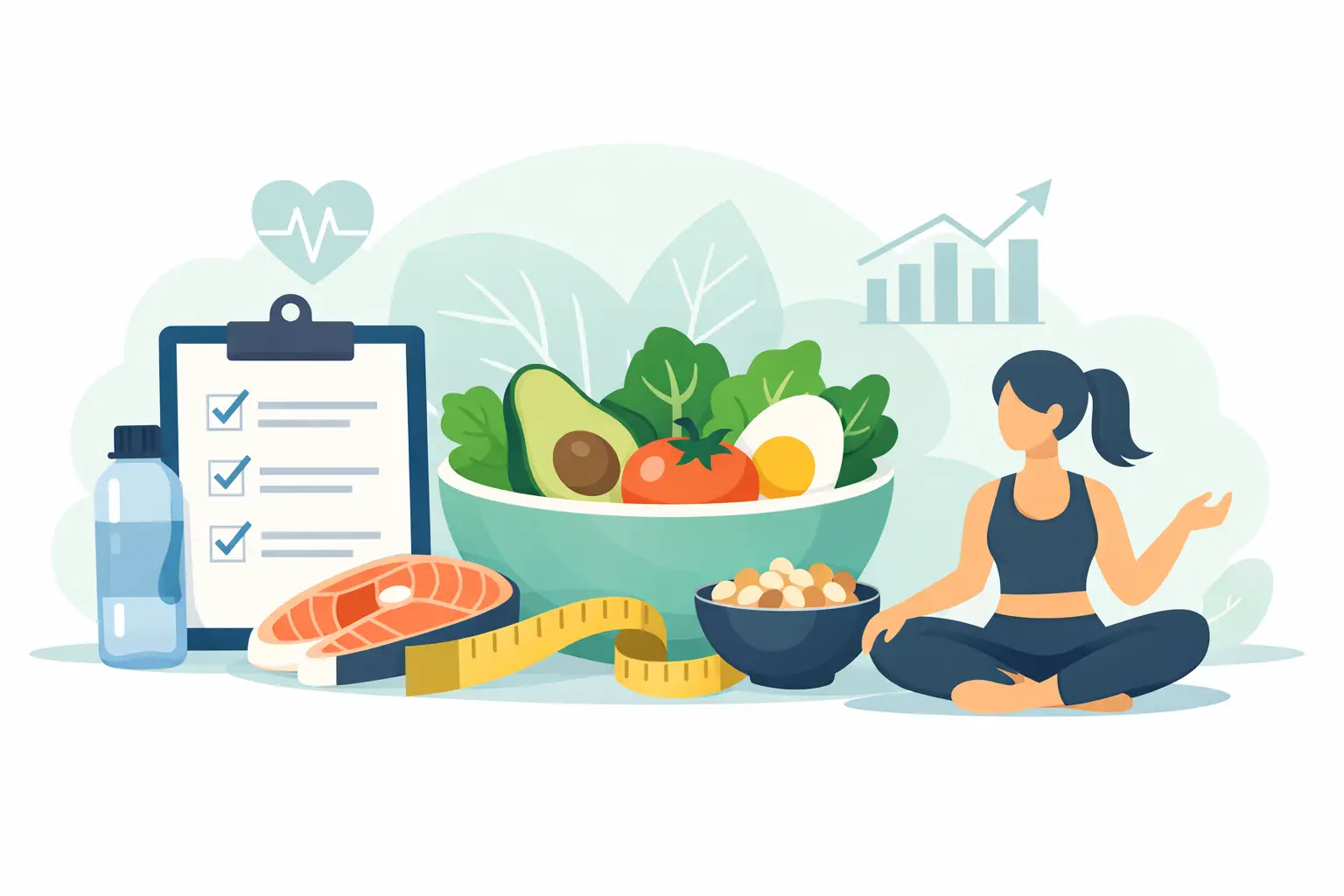
Many people dream of having fuller, stronger hair, but it can feel tricky knowing where to start. There’s a lot of misinformation and products promising instant results. However, there are some practical, natural ways anyone can encourage thicker hair using changes to daily habits, diet, and a bit of care.
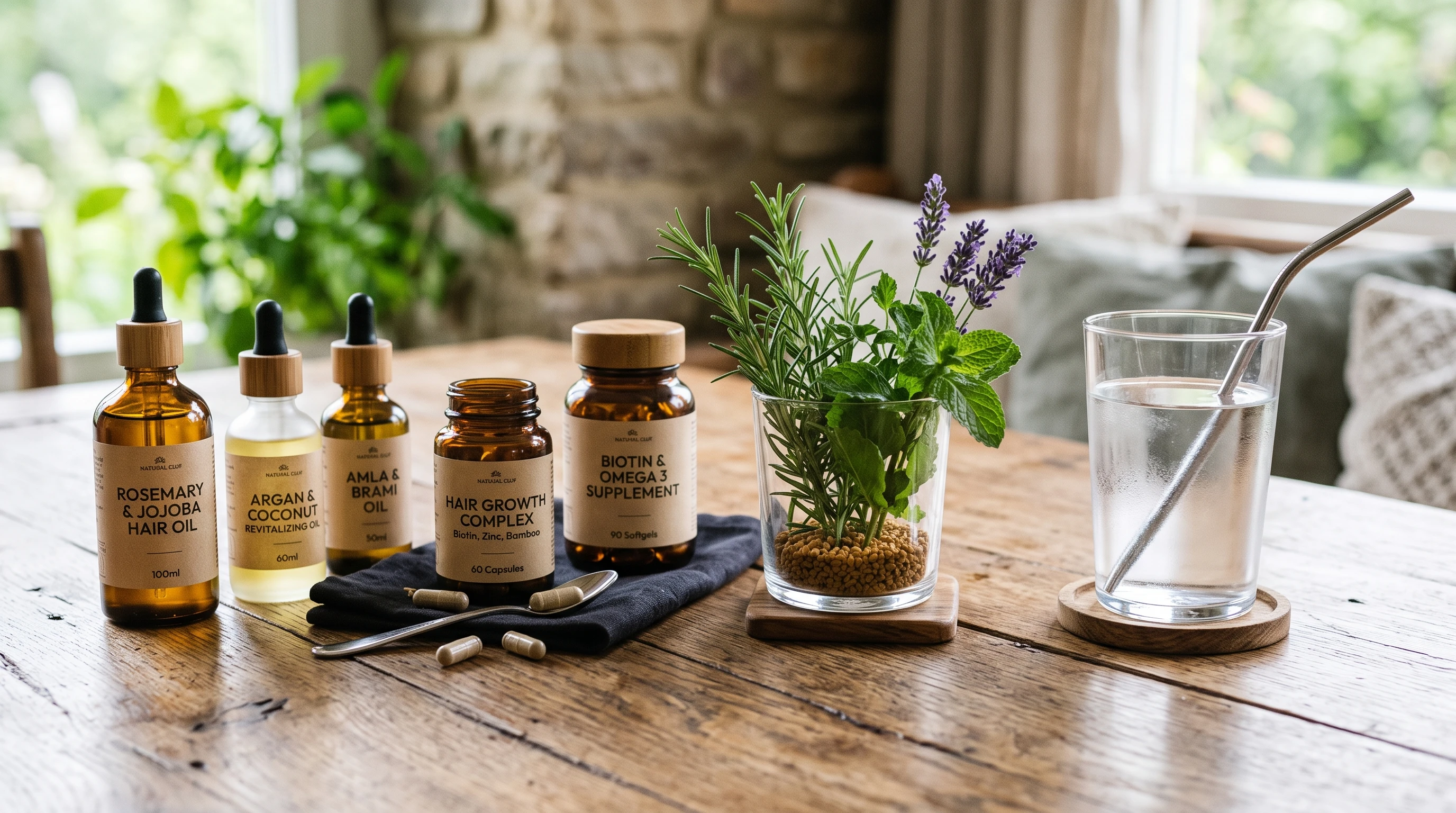
Understanding What Affects Hair Thickness
Genetics play a big part in hair thickness, so some people naturally have thicker strands than others. Age, hormones, and health issues can also affect how much hair you have and how strong it grows. Even though genetics can’t be changed, everyday habits and natural treatments can help make existing hair look fuller and healthier.
The changing weather, pollution, and modern lifestyles can sometimes stress out hair. Paying attention to the basics and giving hair a little extra care can make a real difference in the long run.
Dietary Changes to Naturally Thicken Hair
Hair is made mainly of protein, so getting enough protein in the diet is really important. Without it, new hair growth slows down and hair may become brittle. Good sources of hair healthy protein include eggs, lean meats, fish, beans, and nuts. For those who follow plant based diets, options like lentils, chickpeas, quinoa, and tofu are especially helpful.
Iron supports the supply of oxygen to hair follicles. Low iron can cause hair to thin or shed, so including leafy greens, beans, red meat, and fortified cereals is a smart move.
- Omega-3 Fatty Acids: These keep the scalp hydrated and support general hair health. Oily fish like salmon, sardines, and mackerel, along with flaxseeds and walnuts, are all good sources.
- Vitamin C: This helps the body absorb iron and is found in berries, peppers, and citrus fruits. It also supports collagen production for stronger hair.
- Biotin: This B vitamin can be found in eggs, nuts, and seeds. Some people take biotin supplements, but a balanced diet usually covers daily needs for most adults.
- Zinc: Found in pumpkin seeds, seafood, and dairy products, zinc can help if there’s been hair loss from deficiency.
Drinking enough water is easy to overlook but so important. Hydrated hair is less likely to break and looks shinier and thicker. Adding foods like avocados and sweet potatoes can provide extra nourishment for your hair, thanks to vitamin E and beta-carotene which help hair look shiny and feel stronger. A diet rich in antioxidants, such as those found in berries and green leafy vegetables, also gives a boost to scalp health and helps defend against environmental damage.
Natural Oils and Plant Extracts for Thicker Hair
Several natural oils and extracts have been used for generations to support hair thickness, and some even have supporting research.
- Rosemary Oil: Often used for scalp massage, rosemary oil has shown promise for boosting circulation to the hair follicles. Some users find it as effective as some over-the-counter treatments; just remember to dilute it with a carrier oil like coconut or olive oil.
- Castor Oil: This thick oil coats strands, making them look fuller right away, but also contains vitamin E and fatty acids that nourish roots over time.
- Peppermint Oil: Slightly stimulating, peppermint oil in a massage blend can boost blood flow and provide a tingly, refreshed feeling. It needs to be mixed well, as it’s quite strong on its own.
- Aloe Vera: This gentle, cooling gel is often used both on the scalp and in hair masks. It soothes itchy skin, reduces dandruff, and supports growth for healthy, thick hair.
Applying these oils two to three times a week and leaving them on for at least thirty minutes before washing can help hair look and feel thicker. For sensitive skin, always do a patch test first. If you enjoy experimenting, you can combine oils for richer treatments, mixing rosemary, peppermint, and coconut oils for a scalp-nourishing blend.
At this point I would like to point out that I am an independent Associate with Isagenix, and that you can get a really good quality, natural Hair Revival dietary supplement at my Isagenix Official Associate Site which provides thicker, stronger, healthier hair from within.
Best Habits for Healthy, Thick Hair
Everyday routines play a big part in how hair turns out. Gentle care and patience can bring progress over time. To get a feel for what works, pay attention to any noticeable changes in texture or volume as you try new habits.
- Shampoo Less Often: Washing too often can strip hair of natural oils. Two to three times a week usually works for most people. When choosing shampoo, gentle, sulphate free formulas are best for thickness and scalp health.
- Condition Regularly: A good conditioner helps seal the cuticle, making hair look smoother and fuller. For extra nourishment, a deep conditioning treatment once a week is worth trying. Leave-in conditioners and serums can help your hair stay moisturised under various weather conditions.
- Minimise Heat Styling: Frequent blow drying, straightening, or curling can weaken hair and make it more likely to break off. Letting hair air dry and using heat protection sprays helps keep it stronger.
- Use a Wide Toothed Comb: Detangling when wet with a gentle comb instead of a brush helps reduce breakage.
- Scalp Massage: Spending five minutes a day massaging the scalp with fingertips can improve blood flow and wake up hair follicles.
- Protective Hairstyles: Wear your hair in loose braids or buns to avoid unnecessary pulling and stress on your roots. Avoid tight ponytails which can make hair brittle over time. Silk hair wraps or bonnets can also safeguard your strands overnight, preserving volume and shine.
Sleep also impacts hair health. Sleeping on a silk or satin pillowcase causes less friction, which can reduce split ends and breakage. Creating a relaxing bedtime routine helps, as restful sleep allows your body to repair and strengthen hair. Consistency—sticking with healthy habits—often leads to the best results.
Supplements and Remedies to Support Thicker Hair
Sometimes, diet alone doesn’t cover all of the body’s needs, and supplements can help fill the gaps. Biotin, collagen, and marine protein supplements are all available and are generally well tolerated. Before starting a new supplement regime, talking to a GP or pharmacist is a good idea, especially for anyone with underlying medical conditions or taking regular medication.
Herbal extracts like saw palmetto and pumpkin seed oil have become popular for their mild DHT lowering effects, which may help with thinning caused by hormones. These aren’t quick fixes but can be part of a longer routine for some people.
Green tea extract is sometimes included in products aimed at reducing hair shedding. There is some early research but not enough to make strong claims, though it’s considered safe for most. In addition, supplements like vitamin D or iron are sometimes useful for people who have specific deficiencies, but it’s best to seek professional advice to get to the bottom of persistent hair thinning. Remember: supplements are not a replacement for nutritious food, but they might give a boost if you have gaps in your diet.
Common Obstacles When Trying to Get Thicker Hair
Growing thicker hair naturally takes time, and patience is key. Stress, poor sleep, and underlying health issues can slow down progress.
- Stress: Ongoing stress may disrupt the natural growth cycle, making hair shed earlier. Relaxation techniques, regular exercise, and good sleep hygiene really help both hair and overall well being.
- Medical Problems: Conditions like anaemia, thyroid issues, or hormonal changes after pregnancy or menopause can affect thickness. If there’s severe shedding or sudden changes, seeing a GP is a smart move for full blood tests and tailored advice.
- Over Processing: Colouring, perming, or straightening hair too often can cause lasting thinning. Giving hair a break and sticking to gentle dye or styling techniques is helpful.
- Environmental Factors: Hard water with high mineral content, pollution, or even seasonal dryness can leave hair limp or damaged. Using a clarifying shampoo monthly or rinsing hair occasionally with filtered water can remove residues and restore bounce.
Sticking to a routine and giving new habits a few months is important, as natural growth is slow. Hair grows just over a centimetre per month, so don’t lose hope after a few weeks; patience brings progress.
Natural Home Remedies for Thicker Hair
Some kitchen remedies are passed down through generations and can be worth trying—just don’t expect miracles overnight:
- Egg Masks: Beaten egg applied to damp hair and rinsed after twenty minutes delivers protein straight to the strand, making it feel thicker.
- Fenugreek Seeds: Soaking and grinding fenugreek seeds for a paste, then applying as a scalp mask, is a traditional remedy used in many cultures.
- Onion Juice: Though it smells strong, onion juice is packed with sulphur, which some say supports healthy, thicker-looking hair over time.
- Avocado and Honey Mask: Mash a ripe avocado with a tablespoon of honey and apply the blend as a mask once a week. Avocado’s fatty acids and honey’s natural humectants lock in moisture for softer, more resilient hair.
- Green Tea Rinse: Brew a cup of green tea, let it cool, and pour over just-washed hair. Some suggest it can tone down hair shedding and give a little boost to scalp health.
Natural remedies are safest when tested first on a small area to make sure there’s no irritation or allergy. Trying different ingredients over time—such as yoghurt masks or coconut oil wraps, can help you stumble upon the recipes that work best for your hair.
For one of the best supplements on the market for supporting thicker, healthier hair check out my Official Associate Site and look for the Hair Revival dietary supplement.
Frequently Asked Questions
Here are some common questions about making hair look and feel fuller:
Question: Can diet alone make my hair thicker?
Answer: Eating a healthy, balanced diet does support hair growth, but it usually works best along with good hair care habits.
Question: Are natural oils safe for everyone to use?
Answer: Most natural oils are safe, but a patch test is smart for anyone with sensitive skin or a history of allergies.
Question: How long does it take to see results with natural methods?
Answer: It depends on the method and starting point, but most people notice stronger, healthier hair within three to six months of sticking to a routine.
Question: Do supplements work for thinning hair?
Answer: Supplements can help if there are deficiencies, but they’re not a substitute for a healthy diet. A healthcare professional can advise if testing or supplements are needed.
Question: Can weather changes affect my hair’s thickness or strength?
Answer: Yes, changes in humidity, temperature, and sunlight exposure can impact hair health. Protect hair during harsh winters or hot summers with hats, scarves, and by using moisturising products where needed.
Takeaway
Getting thicker hair naturally means supporting the body inside and out. Focusing on good nutrition, gentle care, and natural remedies can help hair look its best over time. Stick with the routine, be patient, and don’t be afraid to reach out to a professional if changes seem sudden or severe. Nourished, happy hair is always within reach, and maintaining a positive attitude is key to staying motivated through your hair’s glow-up.