Welcome! I am an Isagenix Independent Associate. I’m here to share my personal journey and help you find the right nutritional solutions for your goals.
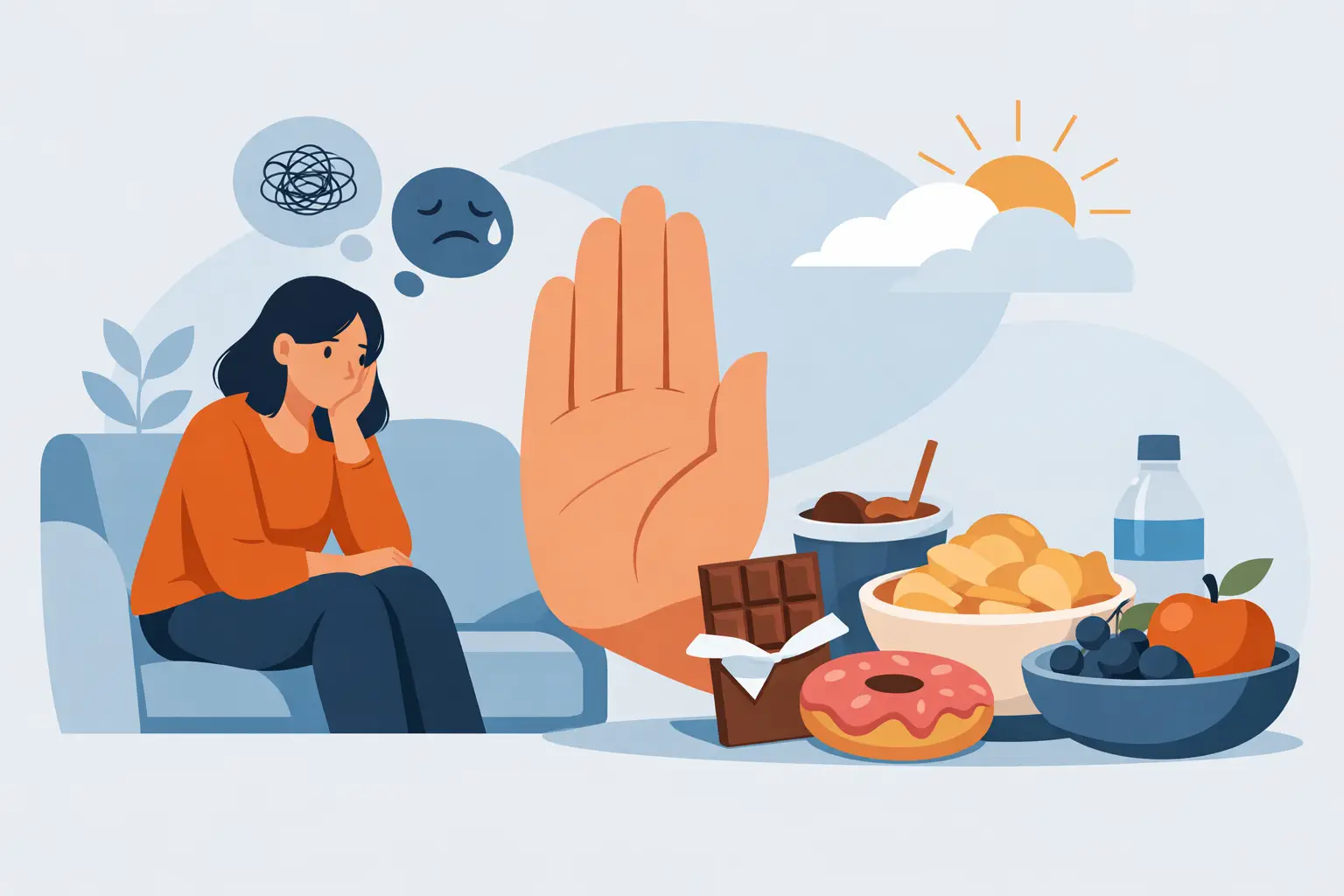
You finish a stressful day, open the cupboard, and suddenly the biscuits seem far more persuasive than your original plan for dinner! If you’ve been wondering how to stop emotional snacking, the first thing to know is this: it is not a lack of willpower. Emotional snacking usually happens when food becomes a quick form of comfort, distraction, reward, or relief. That means the answer is rarely about being stricter with yourself. It is about building a routine that supports your energy, steadies your appetite, and helps you respond to stress with more intention.
At Vibrant Reset, we believe real change feels supportive, not punishing. When your nutrition, daily rhythm, and mindset start working together, emotional snacking loses a lot of its pull.
Why emotional snacking happens in the first place
Emotional hunger often feels urgent. It can appear after a difficult conversation, during an afternoon slump, or in the quiet hour after dinner when you finally stop moving. Physical hunger tends to build gradually and is usually satisfied by a proper meal. Emotional hunger often wants something specific, fast, and comforting.
This matters because many people try to solve the problem at the wrong level. They focus only on removing snacks, when the real issue may be unstable energy, inconsistent meals, poor sleep, or a stress response that has become automatic. If your body is running on caffeine, quick carbohydrates, and skipped lunches, you are far more likely to reach for easy comfort later on.
That is where a more structured wellness approach can help. Instead of fighting every craving one by one, you create conditions that make those cravings less frequent and less intense.
How to stop emotional snacking by stabilising your day
A calmer relationship with food usually starts earlier than you think. Often, the moment of snacking is simply the end result of a day that did not give your body enough support.
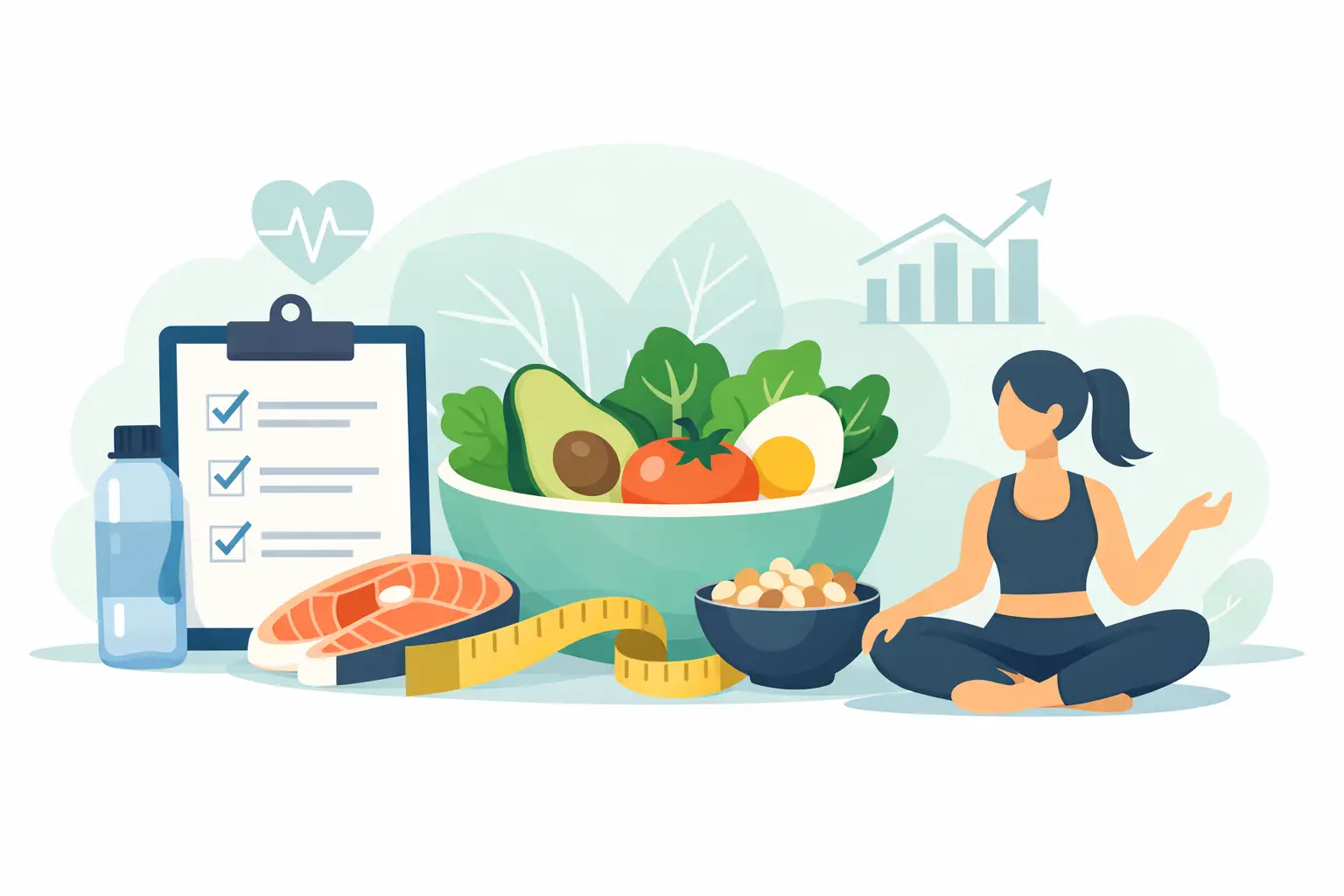
One of the most practical strategies is Protein Pacing. This means spreading quality protein across the day instead of waiting until the evening meal to get most of it. A breakfast with protein, a balanced lunch, and a nourishing afternoon option can help support steadier energy and fuller satisfaction. When your meals are more balanced, you are less likely to feel that desperate late-day dip that sends you searching for sugar or salty snacks.
For people focused on weight management, this can be especially helpful. Emotional snacking often adds extra eating moments without much satisfaction. Protein Pacing supports a more even eating rhythm, which can make it easier to feel in control without feeling deprived.
There is also a healthy ageing benefit here. As we get older, maintaining muscle and energy becomes more important, and regular protein intake can be part of a thoughtful wellness routine. That does not mean perfection. It means consistency.
By the way you can find some very useful support and nutritional products by checking out the guide on my Associate website but please read on after.
The science, kept simple
You do not need a nutrition degree to understand why certain products and ingredients may support your goals. A few basics go a long way.
Undenatured whey is valued because it provides high-quality protein in a form many people find convenient. Protein helps support fullness and contributes to muscle maintenance, which matters for energy, body composition, and long-term vitality. If emotional snacking tends to happen because your meals are light or unbalanced, adding a quality protein source can be a practical shift.
Marine collagen is often discussed for beauty and healthy ageing routines, but it also fits into the bigger picture of caring for yourself more intentionally. For many people, emotional snacking is tied to feeling disconnected from their well being. Small habits that support how you feel in your body can reinforce a more positive cycle.
Botanical adaptogens are another area of growing interest. Adaptogens are plant compounds traditionally used to help the body adapt to everyday stress. While they are not a magic fix, they may be a useful part of a broader lifestyle routine when stress is one of your main triggers. If your urge to snack tends to spike when you feel overwhelmed, supporting your resilience in simple, daily ways can make a real difference.
Nutritional cleansing and why it may help
When people hear “cleansing”, they sometimes imagine extreme plans or harsh restriction. That is not the goal here. Nutritional Cleansing, done sensibly, is about giving your routine a reset. It can create a more intentional structure around what, when, and why you eat.
For some, emotional snacking thrives in a fog of decision fatigue. A structured reset period can reduce that noise. You are no longer negotiating with every craving or making ten food decisions by 4 pm. Instead, you follow a clear framework that supports energy, weight management, and a sense of momentum.
The trade-off is that structure works best when it feels realistic. If a plan is too rigid for your lifestyle, it can backfire and lead to rebound eating. The sweet spot is a routine that feels supportive enough to guide you and flexible enough to live with.
What to do in the moment a craving hits
Even with a great routine, emotional snacking will still happen sometimes. The aim is progress, not a perfect record.
When a craving appears, pause before acting on it. Ask yourself one question: what do I need right now? You may need food, especially if you have not eaten properly. But you may also need a break, hydration, a walk, a change of environment, or a moment to decompress.
If you are physically hungry, eat something balanced and satisfying rather than trying to “be good” with something tiny that leaves you rummaging again twenty minutes later. If it is emotional hunger, creating a short pattern interrupt can help. Make tea, step outside, stretch, or write down what is bothering you. The goal is not to judge the craving. It is to create enough space to choose your next step consciously.
This is where community and support can matter too. Many people find they make better decisions when they are not relying on motivation alone. Shared routines, guided nutrition, and simple accountability can help turn good intentions into habits.
How to make your environment work for you
Your surroundings influence your choices more than most people realise. If highly snackable foods are visible, open, and easy to grab when you are tired, they will often win.
Try making your better options the easy options. Keep balanced choices close at hand, plan your meals before the busiest part of the day, and avoid letting yourself get over-hungry. This is not about banning favourite foods forever. It is about reducing the number of times stress gets to make the decision.
It also helps to notice your personal pattern. Some people snack emotionally in the late afternoon. Others do it after the children are in bed or while working from home. Once you know your vulnerable window, you can prepare for it with more intention.
A more compassionate way to look at progress
If you want to learn how to stop emotional snacking in a lasting way, self-criticism is rarely the answer. Shame tends to keep the cycle going. You snack, feel frustrated, promise to be stricter tomorrow, then end up back in the same place when stress returns.
A better approach is to stay curious. What triggered it? Were you tired, underfed, overstimulated, or simply trying to soothe yourself? Every time you notice the pattern, you are gathering useful information. That awareness is not failure. It is the beginning of change.
For many people, combining Protein Pacing, sensible Nutritional Cleansing, and thoughtfully chosen adaptogens creates a stronger foundation. You may notice steadier energy, fewer dramatic dips, and more confidence around food choices. That is often where real progress begins – not in force, but in support.
Here you can Check Today’s Bundle Pricing and Learn More on my Official Associate Site
Refresh Your Life by building habits that work with your body, not against it. The more consistently you nourish yourself, the less often food needs to play the role of comfort, escape, or reward.
These statements have not been evaluated by the Food and Drug Administration. These products are not intended to diagnose, treat, cure, or prevent any disease. Weight loss results may vary.